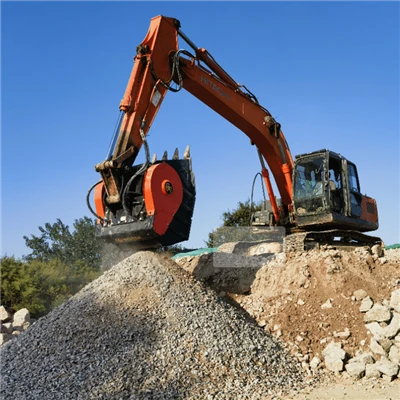
The performance of a screening bucket is a crucial factor for many construction, landscaping, and waste management projects. As a screening bucket supplier, I've witnessed firsthand how various factors can influence the efficiency and effectiveness of these tools. One such factor that often goes unnoticed but plays a significant role is the speed of the host machine. In this blog post, I'll delve into how the speed of the host machine affects the screening bucket's performance and why it matters for your operations.
Understanding the Basics of Screening Buckets
Before we explore the impact of the host machine's speed, let's briefly understand what screening buckets are and how they work. A screening bucket is an attachment that can be fitted to a variety of host machines, such as excavators, loaders, and skid - steers. Its primary function is to separate different sizes of materials, like soil, gravel, and debris. The bucket contains a series of screening elements, such as bars or meshes, through which the material passes. As the host machine moves and manipulates the bucket, the material tumbles inside, and the smaller particles fall through the gaps while the larger ones remain in the bucket.
There are different types of screening buckets available, including Soil Screener Bucket, Bucket Screener, and Screener Bucket for Excavator. Each type is designed to meet specific screening needs and can be used in different applications.
The Role of the Host Machine's Speed
The speed at which the host machine operates has a direct impact on the screening bucket's performance in several ways:
1. Screening Efficiency
The speed of the host machine affects how quickly the material is fed into the screening bucket and how it moves inside. If the host machine moves too slowly, the material may not tumble enough inside the bucket. This means that the smaller particles may not have enough opportunity to pass through the screening elements, resulting in a lower screening efficiency. For example, in a soil screening project, if the excavator moves at a snail's pace, large clumps of soil may remain intact, and the fine soil particles may not be properly separated.
On the other hand, if the host machine moves too fast, the material may be ejected from the bucket before the screening process is complete. This can lead to a high percentage of unscreened material being mixed with the screened material, reducing the overall quality of the screening. Therefore, finding the optimal speed is essential for achieving the highest screening efficiency.
2. Wear and Tear
The speed of the host machine also influences the wear and tear of the screening bucket. When the host machine moves at a high speed, the impact forces on the screening elements increase. This can cause the bars or meshes to bend, break, or wear out more quickly. For instance, in a gravel screening application, if the loader moves too fast, the sharp edges of the gravel can cause excessive abrasion on the screening elements, shortening their lifespan.
Conversely, a very slow - moving host machine may cause the material to accumulate in the bucket, putting additional stress on the screening elements over time. This can also lead to premature wear and tear. Maintaining an appropriate speed can help extend the life of the screening bucket and reduce maintenance costs.
3. Capacity
The capacity of the screening bucket is closely related to the speed of the host machine. A faster - moving host machine can potentially increase the throughput of the screening bucket, allowing more material to be screened in a given time. However, as mentioned earlier, if the speed is too high, the quality of screening will suffer. So, there is a balance to be struck between speed and capacity.
For example, in a large - scale construction project where a significant amount of soil needs to be screened, a well - calibrated speed of the host machine can ensure that the screening bucket operates at its maximum capacity without sacrificing the quality of the screened material.


Factors to Consider When Determining the Optimal Speed
Several factors need to be considered when determining the optimal speed of the host machine for a screening bucket:
1. Material Type
Different materials have different physical properties, such as particle size, shape, and density. These properties affect how the material behaves inside the screening bucket. For example, fine - grained soil may require a slower speed to ensure proper separation, while larger, more irregularly shaped rocks may need a faster speed to break up clumps and facilitate screening.
2. Screening Bucket Design
The design of the screening bucket, including the size and shape of the screening elements, also plays a role in determining the optimal speed. A bucket with larger gaps between the screening elements may be able to handle a faster - moving host machine, while a bucket with fine meshes may require a slower speed for accurate screening.
3. Host Machine Characteristics
The type and specifications of the host machine are important factors. Different machines have different power, torque, and control capabilities. For example, a powerful excavator may be able to handle a wider range of speeds compared to a smaller skid - steer. Understanding the capabilities of the host machine is crucial for setting the appropriate speed.
Tips for Optimizing the Host Machine's Speed
Here are some tips to help you optimize the speed of the host machine for better screening bucket performance:
1. Conduct a Test Run
Before starting a large - scale screening project, conduct a test run with a small amount of material. Try different speeds and observe the screening efficiency, quality, and wear on the screening bucket. This will give you a good idea of the optimal speed range for your specific application.
2. Monitor the Process
During the screening process, continuously monitor the performance of the screening bucket. Look for signs of poor screening, such as large amounts of unscreened material or excessive wear on the screening elements. Adjust the speed of the host machine accordingly.
3. Train the Operators
Ensure that the operators are well - trained in operating the host machine with the screening bucket. They should understand the importance of speed and how it affects the screening process. Provide them with guidelines on how to adjust the speed based on the material type and other factors.
Conclusion
As a screening bucket supplier, I understand that the speed of the host machine is a critical factor that can significantly impact the performance of the screening bucket. By understanding how speed affects screening efficiency, wear and tear, and capacity, and by considering the material type, screening bucket design, and host machine characteristics, you can optimize the speed for better results.
If you're in the market for a screening bucket or need more information on how to optimize its performance, don't hesitate to reach out. We're here to help you make the most of your screening operations and ensure that you get the best value from your investment. Contact us today to discuss your specific requirements and start a fruitful procurement discussion.
References
- "Principles of Screening and Classification" - A technical guide on screening processes.
- "Construction Equipment Handbook" - A comprehensive resource on the operation and maintenance of construction equipment, including screening buckets.