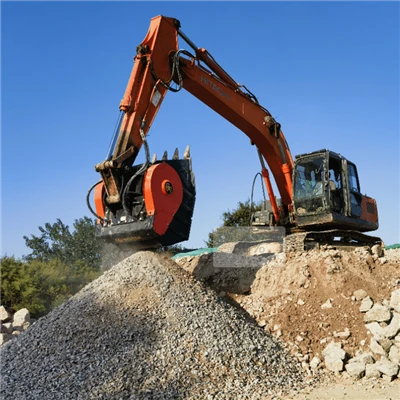
Hey there! I'm a supplier of crusher buckets, and today I'm gonna walk you through how the crushing process of a crusher bucket occurs. It's pretty fascinating stuff, and understanding it can help you make better decisions when it comes to choosing the right equipment for your projects.
The Basics of a Crusher Bucket
First off, let's talk a bit about what a crusher bucket is. A crusher bucket is an attachment that can be fitted onto an excavator or other heavy machinery. It's designed to crush various materials on-site, like concrete, rocks, and bricks. This is super handy because it saves you the time and money of transporting the materials to a separate crushing facility.
There are different types of crusher buckets out there, but the most common ones are jaw crushers. The Excavator Jaw Bucket is a great example. These buckets have a fixed jaw and a moving jaw. The moving jaw moves back and forth, creating a squeezing action that crushes the material between the two jaws.
The Crushing Process Step by Step
Loading the Material
The first step in the crushing process is loading the material into the crusher bucket. This is usually done using the excavator's arm. The operator positions the bucket over the material, like a pile of concrete rubble, and then scoops it up. The material then falls into the crushing chamber of the bucket.
It's important to make sure that the material is the right size to be loaded into the bucket. If the pieces are too large, they might not fit or could cause damage to the bucket. Most crusher buckets have a specified maximum size for the material they can handle.
Crushing the Material
Once the material is in the crushing chamber, the real action starts. The moving jaw begins to move back and forth, applying pressure to the material. As the jaw moves forward, it squeezes the material against the fixed jaw. This force breaks the material into smaller pieces.
The size of the crushed material can be adjusted. Most crusher buckets have a setting that allows you to control the gap between the jaws. By changing this gap, you can determine the size of the final crushed product. For example, if you want smaller pieces of crushed concrete for a particular project, you can narrow the gap between the jaws.
Discharging the Crushed Material
After the material has been crushed to the desired size, it's time to discharge it. The crushed material falls out of the bottom of the crusher bucket onto the ground or into a waiting truck or container. The excavator operator can then move the bucket to a new location to repeat the process.
Factors Affecting the Crushing Process
Material Type
The type of material being crushed has a big impact on the crushing process. Different materials have different hardness and brittleness. For example, concrete is relatively brittle and can be crushed fairly easily. On the other hand, granite is a very hard rock and might require more force to crush.
If you're dealing with a particularly hard material, you might need to adjust the settings of the crusher bucket. You might also need to take breaks during the crushing process to prevent the bucket from overheating.


Bucket Design and Capacity
The design and capacity of the crusher bucket also play a role in the crushing process. A well-designed bucket will have a smooth flow of material through the crushing chamber, which helps to improve efficiency. The capacity of the bucket determines how much material it can hold and crush at one time.
For larger projects, you might want to choose a crusher bucket with a higher capacity. However, keep in mind that a larger bucket might also be heavier and require a more powerful excavator to operate.
Operator Skill
The skill of the operator is another important factor. An experienced operator knows how to position the bucket correctly to load the material efficiently. They also know how to adjust the settings of the bucket to get the best results.
For example, an operator can tell when the material is being crushed properly and when it's time to discharge it. They can also spot any potential problems, like a blockage in the crushing chamber, and take steps to fix it quickly.
Benefits of On-Site Crushing with a Crusher Bucket
Cost Savings
One of the biggest benefits of using a crusher bucket is cost savings. By crushing the material on-site, you don't have to pay for the transportation of the material to a separate crushing facility. This can save you a significant amount of money, especially for large projects.
Environmental Benefits
On-site crushing is also better for the environment. It reduces the amount of transportation required, which in turn reduces carbon emissions. Additionally, the crushed material can often be reused on the same site, like using crushed concrete as a base for a new construction project. This helps to reduce waste and conserve natural resources.
Time Efficiency
Using a crusher bucket can save a lot of time. Instead of waiting for the material to be transported to a crushing facility and then back to the site, you can start using the crushed material right away. This can speed up the overall construction process.
Choosing the Right Crusher Bucket for Your Needs
If you're in the market for a crusher bucket, there are a few things to consider. First, think about the type of material you'll be crushing. If you're mainly dealing with concrete, a Concrete Crusher Bucket might be a good choice. These buckets are specifically designed to handle concrete and other similar materials.
You also need to consider the size and capacity of the bucket. Make sure it's compatible with your excavator. You don't want a bucket that's too heavy or too large for your machine to handle.
Another important factor is the brand and quality of the bucket. Look for a reputable supplier that offers good after-sales service. You want to make sure that you can get support if you have any problems with the bucket.
Contact Us for Your Crusher Bucket Needs
If you're interested in learning more about crusher buckets or are thinking about making a purchase, we're here to help. We're a leading supplier of Crusher Bucket Excavator attachments, and we have a wide range of options to suit different needs and budgets.
Whether you have questions about the crushing process, need help choosing the right bucket for your project, or want to get a quote, just reach out to us. We'll be happy to have a chat and discuss how we can meet your requirements.
References
- "Crushing Equipment Handbook" - A comprehensive guide on different types of crushing equipment and their operation.
- Industry reports on the use of crusher buckets in construction projects.