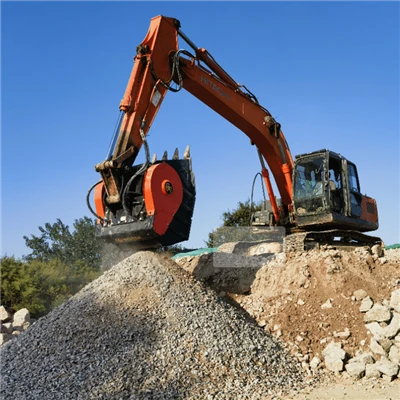
As a supplier of Mass Soil Mixing solutions, I've witnessed firsthand the remarkable transformations that this technique can bring to soil properties, including its color. In this blog post, I'll delve into the science behind how Mass Soil Mixing changes soil color, exploring the factors at play and the implications for various applications.
Understanding Mass Soil Mixing
Mass Soil Mixing is a ground improvement technique that involves mechanically mixing in - situ soil with additives such as cement, lime, or other binders. The process is typically carried out using specialized Soil Mixing Equipment. This equipment can penetrate deep into the soil and thoroughly blend the additives with the existing soil matrix, creating a homogeneous mixture over a large volume.
There are different types of Soil Mixing Tool and Soil Mixing Machine available, each designed to suit specific soil conditions and project requirements. These machines can operate in various ways, such as using augers, paddles, or other mixing elements to ensure effective soil - additive interaction.
Factors Affecting Soil Color Change in Mass Soil Mixing
1. Additive Type
The type of additive used in Mass Soil Mixing is one of the most significant factors influencing soil color change.
- Cement: When cement is added to the soil, it typically causes the soil to become lighter in color. Cement is usually a light - gray to white powder. As it is mixed with the soil, it coats the soil particles and fills the voids between them. The light color of the cement becomes more prominent in the mixture, gradually changing the overall appearance of the soil from its original color to a lighter, more cement - like shade. For example, a dark - brown clay soil may turn into a light - grayish brown after cement mixing.
- Lime: Lime is another common additive. It is often white or off - white in color. Similar to cement, when lime is mixed into the soil, it can lighten the soil color. Lime also reacts with the soil chemically, which can further alter the color due to the formation of new compounds. In some cases, the addition of lime can give the soil a more yellowish - white tint, especially in soils rich in certain minerals.
2. Additive Concentration
The concentration of the additive in the soil mixture also plays a crucial role in determining the extent of color change. A higher concentration of the additive will generally result in a more pronounced color change.
For instance, if only a small amount of cement is added to the soil, the color change may be barely noticeable. However, when a large quantity of cement is used, say 10 - 20% by weight of the soil, the soil will take on a more distinct cement - like color. This is because there is more of the light - colored additive present to cover and interact with the soil particles.
3. Soil Mineralogy
The original mineral composition of the soil has a significant impact on both the initial color of the soil and how it changes during Mass Soil Mixing.
- Iron - Rich Soils: Soils rich in iron oxides, such as red or yellow soils, have their characteristic colors due to the presence of iron compounds like hematite (red) and goethite (yellow). When additives are mixed into these soils, the chemical reactions between the additives and the iron - bearing minerals can cause color changes. For example, cement or lime can react with the iron oxides, potentially reducing the intensity of the red or yellow color. In some cases, the formation of new iron - containing compounds during the mixing process can also lead to a shift in color towards a more muted or different hue.
- Organic - Rich Soils: Organic matter in the soil gives it a dark color, often black or dark brown. When additives are introduced through Mass Soil Mixing, the organic matter may undergo decomposition or chemical reactions. Cement, for example, can raise the soil pH, which can affect the stability of organic matter. As the organic matter breaks down or changes its chemical state, the dark color associated with it may fade, leading to a lighter - colored soil mixture.
4. Mixing Intensity and Duration
The intensity and duration of the mixing process can also influence soil color change.


- Mixing Intensity: A more intense mixing process ensures better distribution of the additive throughout the soil. If the mixing is not thorough, there may be areas with higher or lower concentrations of the additive, resulting in a non - uniform color change. For example, if the mixing equipment does not reach all parts of the soil layer, some areas may retain their original color while others show a significant color change due to proper additive - soil interaction.
- Mixing Duration: Longer mixing times generally lead to more complete soil - additive mixing and more consistent color change. As the mixing continues, the additive has more time to coat the soil particles and react with them. This can result in a more homogeneous color throughout the soil mass.
Implications of Soil Color Change
1. Visual Assessment of Mixing Quality
The change in soil color can serve as a simple visual indicator of the quality of the Mass Soil Mixing process. A uniform color change across the treated soil area suggests that the additive has been evenly distributed and mixed with the soil. In contrast, a patchy or non - uniform color may indicate poor mixing, which could affect the engineering properties of the soil, such as its strength and stability.
2. Environmental and Aesthetic Considerations
In some cases, the change in soil color can have environmental and aesthetic implications.
- Landscaping Projects: In landscaping applications, the color of the soil can impact the overall appearance of the area. If Mass Soil Mixing is used to improve the soil for planting or construction in a park or a residential area, the new soil color needs to be considered in the context of the surrounding environment. A significant color change may need to be coordinated with the overall design to ensure aesthetic compatibility.
- Environmental Impact: Changes in soil color can also affect the soil's interaction with sunlight. Lighter - colored soils may reflect more sunlight compared to darker soils, which can have implications for soil temperature and moisture evaporation rates. This, in turn, can influence plant growth and the overall ecosystem in the area.
Contact for Purchase and Consultation
If you are interested in learning more about Mass Soil Mixing and how it can benefit your project, or if you have specific requirements regarding soil color change or other soil improvement aspects, I invite you to reach out. Whether you need high - quality Soil Mixing Equipment, Soil Mixing Tool, or Soil Mixing Machine, we are here to provide you with the best solutions. Let's start a conversation about your soil mixing needs and find the most suitable approach for your project.
References
- ASTM International. (20XX). Standard test methods for soil and rock properties.
- Mitchell, J. K. (1993). Fundamentals of soil behavior. Wiley.
- Holtz, R. D., & Kovacs, W. D. (1981). An introduction to geotechnical engineering. Prentice - Hall.