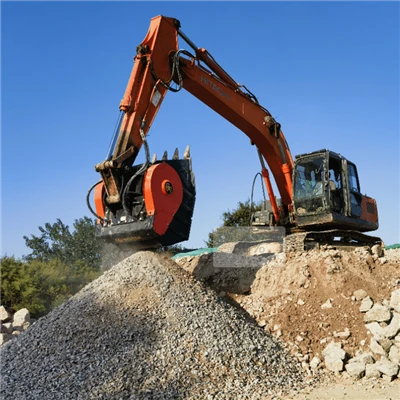
Yo, what's up everyone! I'm a supplier in the Mass Soil Mixing game, and today I wanna dive deep into how Mass Soil Mixing changes soil cohesion.
First off, let's talk about what soil cohesion is. Soil cohesion is basically the internal attraction between soil particles. It's what holds the soil together. You know, when you pick up a clump of good - quality soil, it kinda sticks together, right? That's cohesion at work.
Now, Mass Soil Mixing Mass Soil Mixing is a technique that involves thoroughly blending the in - situ soil with stabilizing agents. This process can have a huge impact on soil cohesion.
The Basics of Mass Soil Mixing
When we do Mass Soil Mixing, we use specialized Soil Mixing Equipment. This gear is designed to cut through the soil and mix in the additives evenly. The additives can be things like cement, lime, or other Soil Stabilization Products.
Let's say we're working on a construction site where the soil has low cohesion. It might be sandy or silty soil that just doesn't hold its shape well. We start by analyzing the soil. We test its properties, like its particle size distribution, moisture content, and existing strength. Based on these results, we choose the right stabilizing agents.
Chemical Reactions and Cohesion
Once we've added the stabilizing agents to the soil through Mass Soil Mixing, some pretty cool chemical reactions start happening. For example, when we use cement as a stabilizing agent, it reacts with the water in the soil. This reaction forms a cementitious matrix. The cement particles bond with the soil particles, creating stronger connections between them.
Think of it like building a house of cards. Normally, the cards (soil particles) are just lying there, easily falling apart. But when we add the cement glue, it holds the cards together firmly. This new matrix increases the soil's internal friction and cohesion. The soil becomes more resistant to deformation and can support more weight.
In the case of lime stabilization, lime reacts with the clay minerals in the soil. It causes a process called pozzolanic reaction. This reaction forms new compounds that have a binding effect on the soil particles. The soil particles start to clump together, and the overall cohesion of the soil goes up.
Physical Changes in Soil Structure
Mass Soil Mixing also causes physical changes in the soil structure. The mixing process breaks up large soil aggregates and redistributes the particles. This creates a more uniform soil structure.
Imagine a big pile of rocks and sand that's all jumbled up. When we mix it properly, the rocks are evenly spread out among the sand. This uniform distribution allows for better interlocking of the particles. The soil particles can fit together more tightly, which in turn increases cohesion.
Another physical change is the reduction of voids in the soil. Voids are the empty spaces between soil particles. When we mix the soil with stabilizing agents, these agents fill in the voids. With fewer voids, the soil particles are closer together, and there's more contact between them. This increased contact leads to higher cohesion.
Impact on Different Soil Types
Let's take a look at how Mass Soil Mixing affects different soil types.
Sandy Soil
Sandy soil has very low cohesion because the sand particles are large and have a smooth surface. They don't stick together well on their own. When we use Mass Soil Mixing with a stabilizing agent like cement, it creates a binding effect between the sand particles. The cement fills in the spaces between the sand grains and holds them together. As a result, the sandy soil gains cohesion and can be used for construction purposes, like building foundations or roads.
Clayey Soil
Clayey soil has some natural cohesion due to its fine particles and the electrical charges on their surfaces. However, it can be very sensitive to moisture changes. When it gets wet, it can become soft and lose its strength. Mass Soil Mixing with lime or cement can improve its cohesion and reduce its sensitivity to moisture. The stabilizing agents react with the clay minerals, forming stronger bonds and making the soil more stable.


Silty Soil
Silty soil is in between sandy and clayey soil. It has moderate cohesion, but it can still be prone to erosion and settlement. Mass Soil Mixing can enhance its cohesion by adding stabilizing agents that fill in the voids and bind the silt particles together. This makes the silty soil more suitable for engineering projects.
Real - World Applications
The change in soil cohesion through Mass Soil Mixing has a ton of real - world applications. In construction, it's used to build stable foundations for buildings, bridges, and roads. A building needs a strong foundation to support its weight. By improving the soil cohesion, we can ensure that the foundation doesn't settle or crack over time.
In environmental projects, Mass Soil Mixing can be used to stabilize contaminated soil. By increasing the soil cohesion, we can prevent the spread of contaminants. The stabilized soil can be used as a barrier to contain the pollutants.
Benefits of Improved Soil Cohesion
There are several benefits of improving soil cohesion through Mass Soil Mixing. First of all, it reduces the risk of soil erosion. When the soil has high cohesion, it's less likely to be washed away by rain or wind. This is especially important in areas prone to floods or landslides.
Secondly, it increases the load - bearing capacity of the soil. This means that we can build larger and heavier structures on the stabilized soil. It saves costs in construction because we don't have to use more expensive foundation - building techniques.
Wrapping Up
So, as you can see, Mass Soil Mixing is a powerful technique that can significantly change soil cohesion. Through chemical reactions, physical changes in soil structure, and its impact on different soil types, it can turn weak, unstable soil into a strong and reliable foundation.
If you're working on a project that involves soil stabilization and you're looking to improve soil cohesion, I'd love to chat. Whether it's a small - scale landscaping project or a large - scale construction site, we've got the expertise and the right products to get the job done. Just reach out, and we can start discussing how Mass Soil Mixing can work for you.
References
- "Soil Mechanics and Foundation Engineering" by K. R. Arora
- "Ground Improvement Techniques" by S. Sridharan and V. Prakash