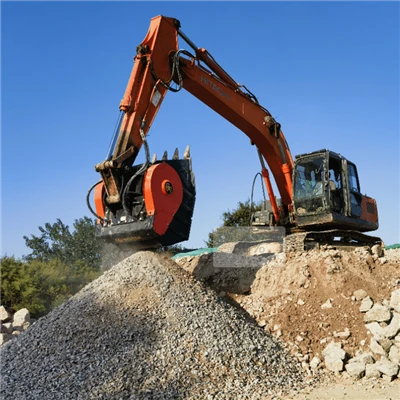
Hey there, fellow rock enthusiasts and industry pros! I'm an excited supplier of jaw rock crushers, and today I'm stoked to walk you through how these powerful machines actually operate. Whether you're a newbie in the business or just looking to brush up on your knowledge, this blog is for you.
Basics of a Jaw Rock Crusher
Let's start at the very beginning. A jaw rock crusher is a staple in the mining, construction, and recycling industries. Its main job? To take large rocks and break them down into smaller, more manageable pieces. It's like a giant mechanical mouth that chomps on rocks all day long!
The two main parts of a jaw crusher are the fixed jaw and the movable jaw. The fixed jaw is, well, fixed in place. It's usually set at a slight angle. The movable jaw, on the other hand, moves back and forth against the fixed jaw. This movement creates a crushing action that breaks the rocks.
How the Crushing Process Works
When you first load rocks into the jaw crusher, they go into the crushing chamber, which is the space between the fixed and movable jaws. As the movable jaw starts its motion, it moves towards the fixed jaw, applying pressure to the rocks. This pressure is what breaks the rocks into smaller pieces.
The movement of the movable jaw is usually driven by an eccentric shaft. This shaft rotates, causing the lower end of the movable jaw to move in an elliptical path. This back - and - forth motion is what actually does the crushing. Each time the movable jaw moves towards the fixed jaw, it squeezes the rocks, breaking them down.
The size of the crushed rocks depends on the gap between the two jaws at the bottom of the crushing chamber. This gap is called the "closed - side setting" (CSS). By adjusting the CSS, you can control the size of the output material. If you want smaller rocks, you make the CSS smaller. If you need larger pieces, you increase it.
The Role of Different Components
Now, let's talk about some of the other important components of a jaw rock crusher.
The Flywheel
The flywheel is like a big energy storage device. When the crusher is running, the motor powers the flywheel to rotate. As the flywheel spins, it stores kinetic energy. This energy is then released during the crushing process to help the movable jaw apply enough force to break the rocks. Without the flywheel, the crusher would have a hard time maintaining a consistent crushing force, especially when dealing with large or tough rocks.
The Toggle Plate
The toggle plate is a crucial safety component. It's located between the movable jaw and the crusher frame. Its main job is to transfer the force from the eccentric shaft to the movable jaw. But it also acts as a safety valve. If the crusher encounters an uncrushable object, like a piece of metal, the toggle plate will break instead of damaging the more expensive parts of the crusher. This way, you can easily replace the toggle plate and get the crusher up and running again.
The Bearings
Bearings are used to support the rotating parts of the crusher, like the eccentric shaft. They reduce friction between the moving parts, allowing the crusher to operate smoothly. High - quality bearings are essential for the long - term performance of the crusher. If the bearings wear out or fail, it can lead to all sorts of problems, like increased vibration and reduced efficiency.
Advantages of Using a Jaw Rock Crusher
There are several reasons why jaw rock crushers are so popular in the industry.
High Crushing Ratio
One of the biggest advantages is their high crushing ratio. This means that they can take large rocks and reduce them to much smaller sizes in a single pass. For example, a jaw crusher can take a rock that's several feet in diameter and turn it into pieces that are just a few inches or even smaller. This makes them very efficient for processing large amounts of material.
Simple Structure
Jaw crushers have a relatively simple structure compared to some other types of crushers. This makes them easy to install, operate, and maintain. You don't need a team of highly specialized technicians to keep a jaw crusher running. With a little basic training, your staff can handle most of the day - to - day operations and maintenance tasks.
Versatility
Jaw crushers can handle a wide variety of materials, including hard rocks like granite and limestone, as well as softer materials like clay and shale. They're also used in recycling applications, where they can break down concrete and asphalt for reuse. This versatility makes them a great choice for many different industries.
Different Types of Jaw Crushers
There are a few different types of jaw crushers, each with its own unique features and applications.
Blake Crushers
Blake crushers are one of the oldest and most common types. In a Blake crusher, the movable jaw pivots at the top. This design allows for a more efficient crushing action, especially when dealing with larger rocks. The Blake crusher is often used in primary crushing applications, where it's the first step in breaking down large rocks into smaller pieces.
Dodge Crushers
Dodge crushers are similar to Blake crushers, but the movable jaw pivots at the bottom. This design gives them a different crushing motion, which can be better for certain types of materials. Dodge crushers are also commonly used in primary crushing, but they can be a bit more prone to jamming compared to Blake crushers.
Universal Crushers
Universal crushers are a more modern design that combines the features of both Blake and Dodge crushers. They offer a more balanced crushing action, which can result in better performance and more consistent output sizes. Universal crushers are suitable for a wide range of applications, from primary to secondary crushing.
Maintenance Tips
To keep your jaw rock crusher running smoothly and efficiently, regular maintenance is key.
Lubrication
Make sure to lubricate all the moving parts regularly. This includes the bearings, the eccentric shaft, and any other parts that move during operation. Using the right type of lubricant is important. It helps reduce friction, prevent wear and tear, and extend the life of the components.
Inspection
Regularly inspect the crusher for any signs of damage or wear. Check the jaws for any cracks or excessive wear. Look at the toggle plate to make sure it's in good condition. If you notice any problems, address them as soon as possible to avoid more serious issues down the road.


Cleaning
Keep the crusher clean. Remove any dirt, debris, or dust that may accumulate on the machine. This helps prevent corrosion and ensures that the crusher operates efficiently.
Our Offerings as a Supplier
As a supplier of jaw rock crushers, we've got a great range of products to meet your needs. We offer Jaw Bucket which is a great addition for specific applications. Our Rock Crusher Jaws are made from high - quality materials to ensure long - lasting performance. And if you're looking for something more compact, our Small Jaw Crushers are perfect for smaller projects or sites with limited space.
If you're in the market for a jaw rock crusher, or if you have any questions about how our crushers operate or which one is right for you, don't hesitate to reach out. We're here to help you make the best decision for your business. Whether you're starting a new project or looking to upgrade your existing equipment, we've got the knowledge and the products to get you started. Contact us today to discuss your requirements and start the procurement process.
References
- Mineral Processing Design and Operations: An Introduction, by Barry A. Wills and Tim Napier - Munn.
- Crushing and Screening Handbook, by Finlay.