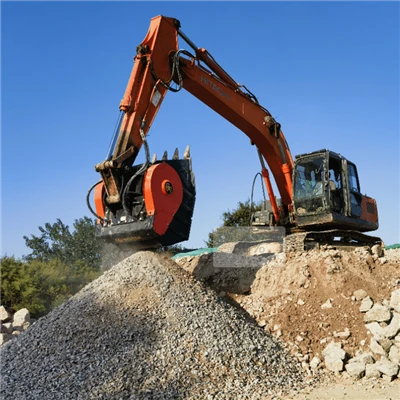
Hey there! As a supplier of Screening Buckets, I often get asked about how to test the functionality of a new screening bucket. It's a crucial step to ensure that you're getting the most out of your equipment and that it meets your specific needs. In this blog post, I'll walk you through the process of testing a new screening bucket, sharing some tips and tricks along the way.
Pre - test Preparation
Before you start testing the screening bucket, there are a few things you need to do. First, make sure you have all the necessary tools and safety equipment. You'll need a forklift or a loader to attach the screening bucket, safety goggles, gloves, and steel - toe boots. Safety should always be your top priority when working with heavy machinery.
Next, inspect the screening bucket thoroughly. Check for any visible damage, such as cracks, bent bars, or loose parts. Make sure all the bolts and nuts are tightened properly. If you notice any issues, it's best to address them before testing. This not only ensures the safety of the testing process but also helps to prevent any potential breakdowns during operation.
Attachment and Initial Checks
Once you've completed the pre - test preparation, it's time to attach the screening bucket to your forklift or loader. Follow the manufacturer's instructions carefully to ensure a proper and secure attachment. After attaching the bucket, do a quick visual check to make sure it's positioned correctly and there are no signs of misalignment.
Start the machine and lift the screening bucket a few inches off the ground. Check the hydraulic connections for any leaks. A hydraulic leak can not only reduce the efficiency of the screening bucket but also pose a safety hazard. If you detect a leak, shut down the machine immediately and fix the issue.
Testing with Different Materials
One of the best ways to test the functionality of a screening bucket is to use it with different types of materials. For example, you can start with gravel. Gravel is a common material used in construction and landscaping, and it's a great test for the screening bucket's ability to separate different sizes of particles.
Load the screening bucket with gravel and start the screening process. Observe how the gravel moves through the bucket. The screening bucket should be able to separate the larger gravel pieces from the smaller ones effectively. If you notice that a large amount of small gravel is remaining with the large pieces or vice versa, there might be an issue with the screening design or the mesh size.
Another material you can use for testing is soil. Soil contains a variety of particles, including sand, silt, and clay. A good screening bucket should be able to separate these different components. When screening soil, pay attention to how well the bucket removes debris such as roots and rocks.
If you're interested in specific applications, you can also test the Asphalt Screening Bucket with asphalt materials. Asphalt screening requires a bucket that can handle the sticky nature of asphalt and separate the different sizes of asphalt chunks. Similarly, the Recycling Screening Bucket can be tested with recycled materials like concrete rubble or scrap metal.
Evaluating the Screening Efficiency
To evaluate the screening efficiency, you can measure the amount of material that passes through the screen and the amount that remains in the bucket. Calculate the percentage of the material that has been successfully screened. A high - efficiency screening bucket should have a high percentage of screened material.
You can also time how long it takes to screen a certain amount of material. A well - functioning screening bucket should be able to complete the screening process in a reasonable amount of time. If the screening process takes too long, it might indicate that the bucket is not operating at its optimal capacity.
Durability and Wear Tests
In addition to testing the screening functionality, it's important to assess the durability of the screening bucket. You can do this by running the bucket through a series of repeated screening cycles. Observe if there are any signs of wear and tear on the mesh or the structural components of the bucket.
Check the edges of the screening bars for any signs of abrasion. Over time, continuous contact with hard materials can cause the bars to wear down. If you notice excessive wear after a relatively short period of testing, it might be a sign that the bucket is not made of high - quality materials or that the design is not suitable for the type of materials you're using.
Noise and Vibration Checks
During the testing process, pay attention to the noise and vibration levels of the screening bucket. Excessive noise can be a sign of mechanical problems, such as loose parts or misaligned components. High - level vibrations can also indicate issues with the balance of the bucket or the attachment to the machine.
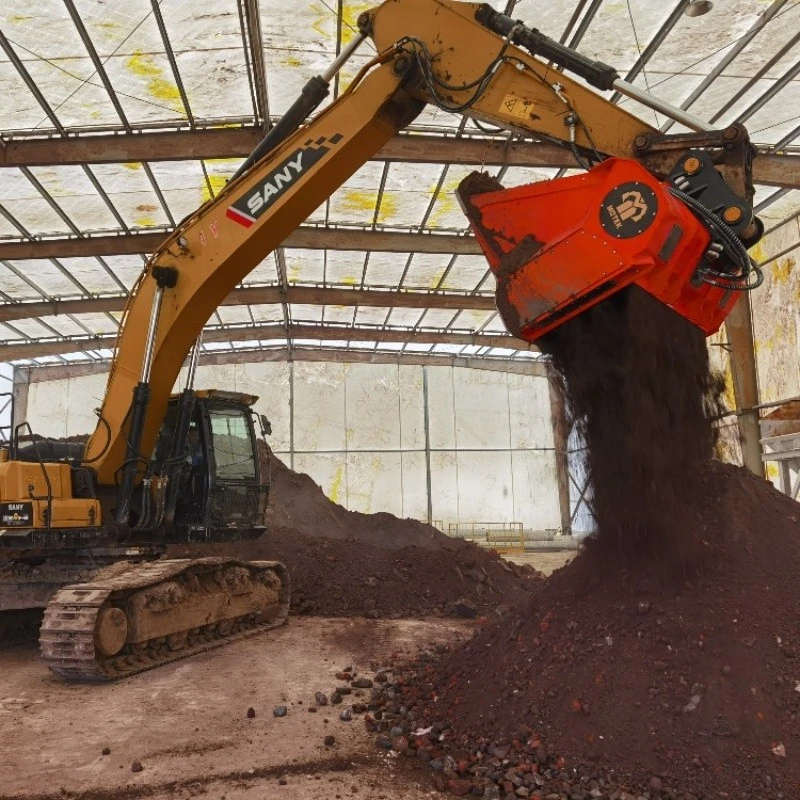

If you notice any abnormal noise or vibration, stop the machine and inspect the bucket. Tighten any loose bolts or make the necessary adjustments to reduce the noise and vibration.
Post - test Evaluation and Maintenance
After completing the testing process, take some time to evaluate the overall performance of the screening bucket. Make a note of any issues you encountered during the test, such as poor screening efficiency, excessive wear, or noise problems.
Based on your evaluation, you can decide if any adjustments or repairs are needed. Regular maintenance is essential to keep the screening bucket in good working condition. This includes cleaning the bucket after each use, lubricating the moving parts, and checking the hydraulic system regularly.
Conclusion
Testing the functionality of a new screening bucket is a comprehensive process that involves multiple steps. By following the steps outlined in this blog post, you can ensure that your screening bucket is working efficiently and safely. Whether you're using it for construction, landscaping, or recycling, a well - tested screening bucket can significantly improve your productivity.
If you're in the market for a high - quality screening bucket or have any questions about our products, don't hesitate to get in touch. We're here to help you find the perfect screening solution for your needs.
References
- Manufacturer's manual for screening buckets
- Industry standards for screening equipment testing