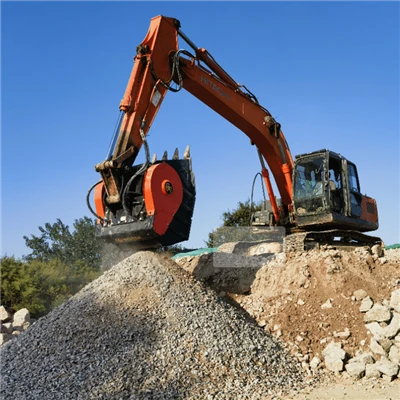
Hey there! As a supplier of Soil Mixing Tool, I often get asked a bunch of questions from customers. One question that pops up quite a bit is, "Do soil mixing tools come with spare parts?" Well, let's dive into this topic and clear things up.
First off, it's important to understand what soil mixing tools are and what they're used for. Soil mixing tools play a crucial role in Soil Remediation and In-situ Soil Stabilization Methods. They're designed to blend various materials into the soil, whether it's for improving soil quality, treating contaminated soil, or stabilizing the ground for construction projects.
Now, back to the question about spare parts. The answer isn't a simple yes or no. It actually depends on several factors.
Factors Affecting the Inclusion of Spare Parts
Manufacturer's Policy
Different manufacturers have different policies when it comes to including spare parts with soil mixing tools. Some manufacturers understand that these tools are often used in tough and demanding environments. So, they might include a basic set of spare parts as a standard offering. This could be small components like bolts, nuts, or washers that are prone to wear and tear.
For example, if you're using a soil mixing tool on a construction site where there's a lot of vibration and movement, these small parts can loosen or break over time. Having a few spares on hand can save you a lot of hassle and downtime.
On the other hand, some manufacturers might see spare parts as an additional cost and prefer to sell them separately. They might argue that not all customers will need the spare parts right away, and it's more cost - effective for the customer to only buy what they need when they need it.
Tool Complexity
The complexity of the soil mixing tool also plays a big role. Simple, handheld soil mixing tools might come with a few basic spare parts. These tools usually have fewer components, and the parts that are likely to wear out are relatively inexpensive and easy to replace.
However, for larger, more complex soil mixing machines used in industrial or large - scale construction projects, the situation is different. These machines often have specialized components that are more expensive and require more technical expertise to install. Manufacturers might not include all the possible spare parts with the initial purchase. Instead, they might offer a range of spare parts for sale separately and provide a maintenance schedule and guidelines on when to replace certain components.
Customer Requirements
Sometimes, it also depends on what the customer asks for. If a customer is aware of the potential for wear and tear and requests a set of spare parts when placing an order, some manufacturers might be willing to accommodate that request. This is especially true if the customer is making a large - scale purchase or has an ongoing relationship with the manufacturer.
Benefits of Having Spare Parts
Reduced Downtime
One of the biggest advantages of having spare parts is reduced downtime. In any construction or soil remediation project, time is money. If a component on your soil mixing tool breaks down and you don't have a spare part, you might have to wait for the part to be shipped, which could take days or even weeks. This can delay the entire project and result in additional costs.
For example, if a blade on your soil mixing tool breaks and you have a spare blade on hand, you can quickly replace it and get back to work. This means you can keep the project on schedule and avoid any unnecessary delays.
Cost - Savings in the Long Run
While it might seem like an additional expense to buy spare parts upfront, it can actually save you money in the long run. When a part breaks and you don't have a spare, you might be forced to pay rush shipping fees to get the part quickly. Additionally, if the breakdown causes a significant delay in the project, you could face penalties or lose out on potential revenue.
By having spare parts on hand, you can avoid these extra costs and ensure that your soil mixing tool operates efficiently for a longer period of time.
Where to Get Spare Parts
If your soil mixing tool doesn't come with spare parts or you need additional parts down the line, there are a few options available.
Manufacturer
The first place to look is the manufacturer. Most manufacturers have a dedicated spare parts department that can provide you with the exact parts you need. They can also offer technical support and advice on how to install the parts correctly.
Authorized Dealers
Authorized dealers are another good option. They usually have a stock of spare parts for the products they sell. Working with an authorized dealer can give you some peace of mind, as you can be sure that you're getting genuine parts that are compatible with your soil mixing tool.


Third - Party Suppliers
There are also third - party suppliers that specialize in providing spare parts for various types of equipment, including soil mixing tools. These suppliers might offer parts at a lower cost, but you need to be careful to ensure that the parts are of good quality and are compatible with your tool.
Conclusion
So, do soil mixing tools come with spare parts? It really depends on the manufacturer, the complexity of the tool, and the customer's requirements. While not all soil mixing tools come with spare parts, having them can offer significant benefits in terms of reduced downtime and long - term cost - savings.
If you're in the market for a soil mixing tool and spare parts are important to you, make sure to discuss this with the manufacturer or supplier before making a purchase. At our company, we understand the importance of keeping your projects running smoothly. That's why we offer a range of soil mixing tools and can provide you with the necessary spare parts to keep your equipment in top condition.
If you're interested in learning more about our Soil Mixing Tool or have any questions about spare parts, don't hesitate to reach out. We're here to help you make the best decision for your project. Let's start a conversation and see how we can work together to meet your soil mixing needs!
References
- General knowledge about soil mixing tools and industry practices.
- Insights from discussions with manufacturers and customers in the soil remediation and construction sectors.