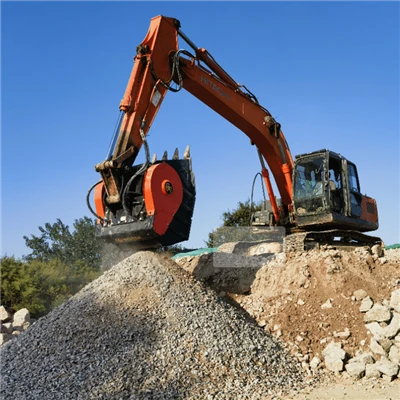
Hey there! I'm a supplier of Soil Improvements, and today I want to dig deep into the question: Do soil improvements affect soil pH?
First off, let's quickly understand what soil pH is. Soil pH is a measure of how acidic or alkaline the soil is. It's measured on a scale from 0 to 14, where 7 is neutral. Values below 7 mean the soil is acidic, and values above 7 indicate it's alkaline. This little number is a big deal because it affects how well plants can take up nutrients from the soil.
Now, let's talk about soil improvements. As a Soil Improvements supplier, I know there are a bunch of different products and methods out there. Some common soil improvements include adding organic matter like compost, manure, or peat moss, as well as using lime or sulfur to adjust the soil's acidity or alkalinity.
Let's start with organic matter. When you add organic matter to the soil, it can have a pretty cool effect on soil pH. Organic matter acts like a buffer, which means it can help keep the soil pH stable. For example, if your soil is a bit too acidic, the organic matter can help raise the pH towards a more neutral level. On the other hand, if the soil is too alkaline, it can lower the pH a bit.
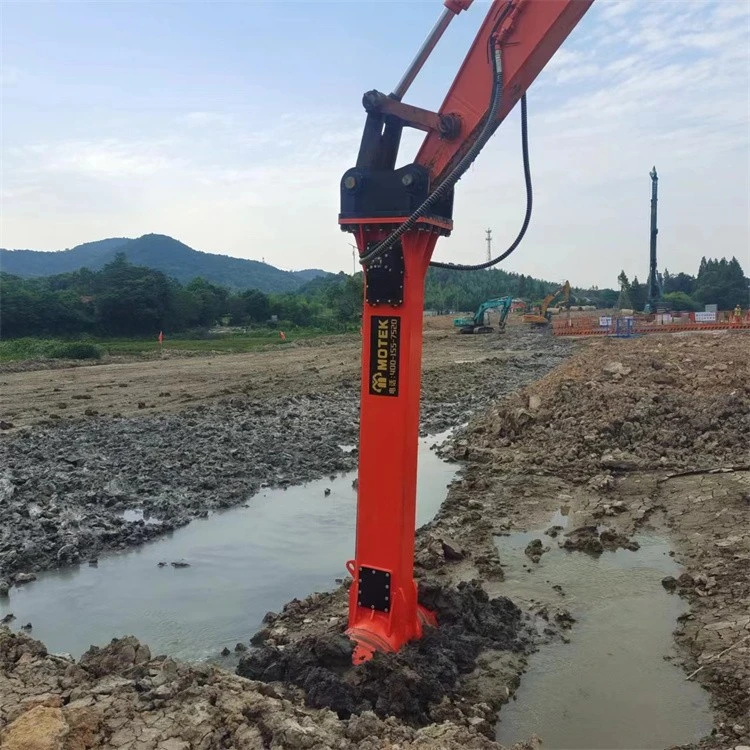

Compost is a great example of an organic soil improvement. It's made up of decomposed plant and animal materials, and it's full of nutrients and beneficial microorganisms. When you mix compost into the soil, it not only adds nutrients but also helps improve the soil structure. This better structure allows water and air to move through the soil more easily, which is good for plant roots. And as the compost breaks down further, it releases substances that can influence the soil pH.
Manure is another popular choice. It's rich in nitrogen, phosphorus, and potassium, which are essential nutrients for plants. But it can also affect soil pH. Fresh manure tends to be a bit acidic, so if you add a lot of it to your soil, it might lower the pH. However, as the manure ages and decomposes, its effect on pH can change.
Peat moss is often used to acidify the soil. It's naturally acidic, so if you have plants that prefer acidic soil, like blueberries or azaleas, adding peat moss can be a good idea. You can check out more about these kinds of soil improvements on our Soil Improvements page.
Now, let's move on to chemical soil improvements. Lime is commonly used to raise the pH of acidic soil. It contains calcium carbonate, which reacts with the acidic components in the soil to neutralize them. This process is called liming. There are different types of lime, such as agricultural lime and dolomitic lime. Agricultural lime is mainly calcium carbonate, while dolomitic lime also contains magnesium. The choice between them depends on the soil's needs. If your soil is low in magnesium, dolomitic lime might be a better option.
Sulfur, on the other hand, is used to lower the pH of alkaline soil. When sulfur is added to the soil, it reacts with oxygen and water to form sulfuric acid. This acid then reacts with the alkaline components in the soil, gradually reducing the pH. But be careful when using sulfur because it can take some time for the pH to change, and over - application can cause problems.
In - situ soil stabilization methods can also play a role in affecting soil pH. These methods are used to improve the properties of the soil in its original location. For example, some in - situ methods involve injecting chemicals or additives into the soil. These additives can react with the soil components and potentially change the pH. You can learn more about In - situ Soil Stabilization Methods on our website.
Another aspect to consider is the equipment used in soil improvement. A Mixer is a crucial tool when it comes to mixing soil improvements evenly into the soil. Whether you're adding lime, sulfur, or organic matter, a good mixer ensures that the additives are distributed uniformly. This even distribution is important because if the additives are not well - mixed, the effect on soil pH might be uneven. Some areas of the soil might have a significant change in pH, while others might not be affected at all.
So, to answer the question "Do soil improvements affect soil pH?" - absolutely! Different soil improvements can have different effects on soil pH, and it's important to understand these effects so that you can choose the right ones for your soil and your plants.
If you're a gardener, a farmer, or involved in any soil - related project, getting the soil pH right is essential for healthy plant growth. You need to test your soil regularly to know its current pH and nutrient levels. There are many soil testing kits available in the market that can give you a quick and accurate reading.
Once you know your soil's pH, you can decide which soil improvements to use. If your soil is too acidic, you might want to add lime or some alkaline organic matter. If it's too alkaline, sulfur or acidic organic matter could be the way to go.
As a Soil Improvements supplier, I'm here to help you make the right choices. We have a wide range of products that can help you adjust the soil pH and improve the overall quality of your soil. Whether you need a small amount for your backyard garden or a large quantity for an agricultural project, we've got you covered.
If you're interested in our products or have any questions about soil improvements and soil pH, don't hesitate to reach out. We're always happy to have a chat and discuss how we can help you achieve the best results for your soil. Contact us today to start the conversation and let's work together to make your soil the best it can be.
References
Brady, N. C., & Weil, R. R. (2008). The nature and properties of soils. Pearson Prentice Hall.
Havlin, J. L., Tisdale, S. L., Nelson, W. L., & Beaton, J. D. (2005). Soil fertility and fertilizers: An introduction to nutrient management. Pearson Prentice Hall.