

Hey there! As a supplier of the Best Screening Bucket, I often get asked a ton of questions from customers. One question that pops up quite a bit is: "Can the Best Screening Bucket be used in wet conditions?" Well, let's dig into this topic and find out.
First off, let's talk about what a screening bucket is. A screening bucket is a pretty handy attachment that can be fitted to different types of heavy - machinery like excavators and loaders. You've got the Digger Screening Bucket, the Screening Bucket Excavator, and the Loader Screening Bucket. These buckets are designed to separate materials of different sizes. They're used in a whole bunch of industries, from construction and landscaping to waste management.
Now, when it comes to using a screening bucket in wet conditions, there are a few things to consider. The main issue with wet materials is that they tend to stick together. You know how when you get clay or soil wet, it turns into a big, sticky mess? That's exactly the problem we're dealing with here.
When the materials are wet, they can clog up the screening mesh of the bucket. The spaces between the bars or wires in the mesh are meant to let the smaller particles pass through while keeping the larger ones in the bucket. But if the wet material sticks to the mesh, it blocks those spaces. This means the screening process becomes less efficient, and you might end up with a bucket full of clumped - up material that's not getting screened properly.
However, it's not all doom and gloom. Our Best Screening Bucket is designed with some features that can help in wet conditions. For starters, the mesh is made from high - quality materials that are resistant to corrosion. Since wet materials can be quite corrosive over time, having a corrosion - resistant mesh ensures that the bucket lasts longer.
Also, the design of the bucket includes some self - cleaning mechanisms. When the bucket rotates or moves, the shaking action can help dislodge some of the wet material that's stuck to the mesh. This keeps the screening process going, although it might not be as fast as when working with dry materials.
Another factor to consider is the type of wet material. Not all wet materials are created equal. For example, wet sand is less likely to stick compared to wet clay. Sand has a more granular structure, so it's easier for the individual grains to pass through the mesh even when wet. On the other hand, clay has a fine - particle structure that makes it extremely sticky.
If you're dealing with wet sand, you'll probably find that the Best Screening Bucket works pretty well. You might notice a slight decrease in efficiency, but it'll still get the job done. But if you're working with wet clay, you might need to take some extra steps.
One option is to pre - treat the wet material. You could add some dry material to the wet clay to help absorb some of the moisture and reduce the stickiness. This can make the screening process more effective.
It's also important to adjust your operating techniques when using the bucket in wet conditions. You might need to slow down the rotation speed of the bucket. This gives the self - cleaning mechanisms more time to work and reduces the chances of the material getting too clumped up.
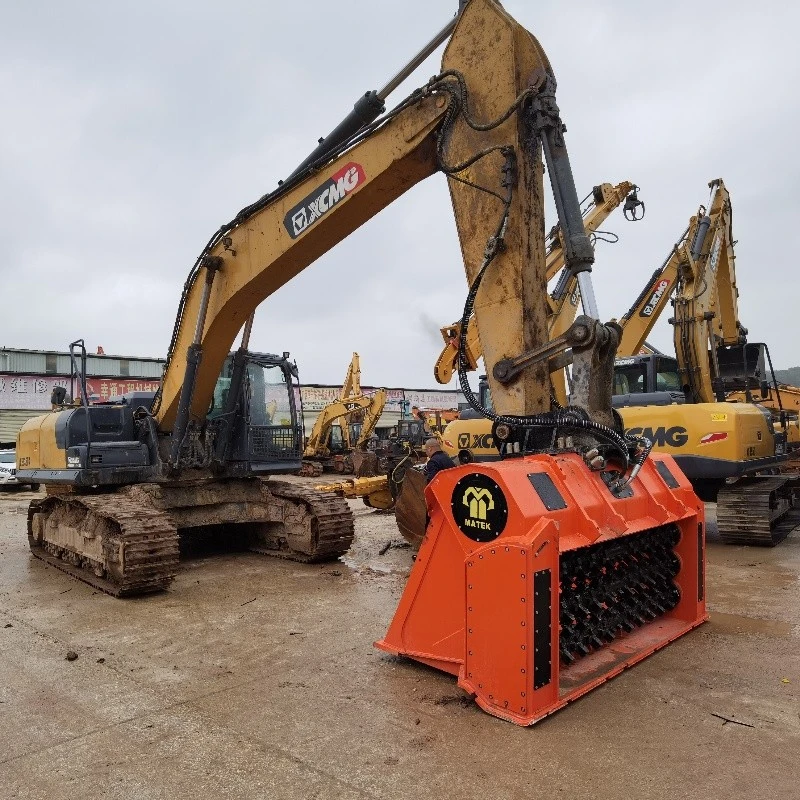

You can also increase the number of passes over the material. Instead of trying to screen it all in one go, make a few more passes through the pile. This allows the bucket to gradually separate the materials, even if they're wet and sticky.
In terms of the machinery that the screening bucket is attached to, you need to make sure it's up to the task. Wet materials are heavier than dry ones, so the excavator or loader needs to have enough power to handle the extra weight. If the machine is struggling, it can put extra stress on the bucket and the attachment points, which could lead to damage.
Now, let's talk about the benefits of using a screening bucket in wet conditions, even with the challenges. In some industries, like construction in areas with high rainfall, you can't always wait for the materials to dry. If you've got a project deadline, you need to keep working. Using a screening bucket in wet conditions allows you to keep the project moving forward.
It also helps in recycling wet waste materials. Instead of just dumping wet waste, you can use the screening bucket to separate the different components. This can reduce the amount of waste going to landfills and is more environmentally friendly.
When it comes to maintenance, using the Best Screening Bucket in wet conditions does require a bit more attention. After each use, you should clean the bucket thoroughly. Use a high - pressure water hose to remove any remaining wet material from the mesh. This helps prevent long - term damage and keeps the bucket in good working condition.
You should also inspect the bucket regularly for any signs of wear and tear. The constant exposure to wet materials can cause the mesh to wear out faster, so look for any loose wires or bars. If you notice any issues, it's important to get them fixed as soon as possible.
I know this all sounds a bit complicated, but with the right approach, the Best Screening Bucket can definitely be used in wet conditions. We've had many customers who've successfully used our buckets in wet environments, and they've been able to complete their projects on time.
If you're thinking about buying a screening bucket and you're going to be working in wet conditions, I'd be more than happy to have a chat with you. We can discuss your specific needs and figure out if our Best Screening Bucket is the right fit for you. Whether you're in construction, landscaping, or waste management, we've got the expertise to help you make the best decision.
So, if you're interested in learning more or want to talk about a potential purchase, don't hesitate to reach out. We're here to answer all your questions and help you get the most out of your screening bucket. Let's work together to make your projects a success, even in wet conditions!
References:
- Industry reports on screening bucket usage in different conditions
- Internal product testing data from our company on wet material screening





