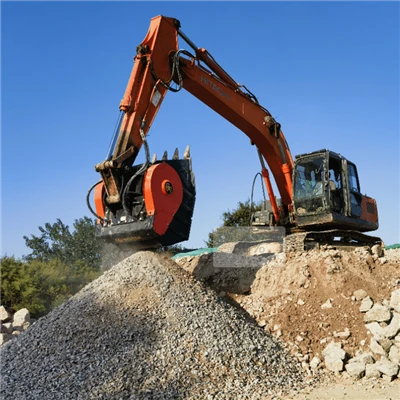
Can screening buckets be used on uneven terrain? That's a question I get a lot as a screening buckets supplier. And the answer is a resounding yes! But there are some things you need to know to make sure you're using them safely and effectively.
First off, let's talk about what screening buckets are. They're attachments that you can put on loaders, diggers, or skid steers. They're designed to separate different-sized materials, like soil, gravel, and debris. You can find different types of screening buckets for different machines on our website: Screening Bucket for Loader, Digger Screening Bucket, and Screener Bucket for Skid Steer.
Now, onto the main question: using screening buckets on uneven terrain. One of the great things about screening buckets is their versatility. They can handle all sorts of terrains, including uneven ones. But you've got to take a few precautions.
When you're working on uneven ground, stability is key. The first thing you need to do is make sure your machine is properly set up. Check the tires or tracks of your loader, digger, or skid steer. They should be in good condition and have the right amount of pressure. This will help your machine stay balanced while you're using the screening bucket.


Another important factor is the angle of the terrain. If the slope is too steep, it can be dangerous. You don't want your machine to tip over while you're screening materials. As a general rule, try to avoid slopes that are steeper than what your machine is rated for. Most manufacturers will give you guidelines on the maximum slope your machine can handle safely.
Let's talk about how the screening process works on uneven terrain. When you're scooping up materials with the screening bucket, the uneven ground can cause the bucket to bounce around a bit. This can affect the efficiency of the screening. To counter this, you need to go a bit slower. Take your time when you're filling the bucket, and make sure you're getting a good, even load of materials.
Once the bucket is filled, you might notice that the screening action is a bit different on uneven ground. The movement of the machine on the bumps and dips can actually help with the screening process. It can jostle the materials around, making it easier for the smaller particles to fall through the screen. But you still need to be careful. Keep an eye on the screening process to make sure everything is going smoothly.
One thing that can help when working on uneven terrain is to use a screening bucket with adjustable settings. Some of our screening buckets allow you to change the size of the screen openings. This is really useful because you can adjust it depending on the type of materials you're screening and the conditions of the terrain. For example, if you're working on a very rocky and uneven surface, you might want to use a larger screen opening to prevent the bucket from getting clogged.
Now, let's talk about maintenance. Working on uneven terrain can put more stress on your screening bucket and your machine. You need to do regular maintenance checks. After each use, inspect the screening bucket for any signs of damage. Look for cracks in the frame, bent or broken screening bars, and any loose parts. Make sure all the bolts and nuts are tight.
For your machine, check the hydraulic system. The uneven ground can cause more vibrations, which can sometimes lead to hydraulic leaks or other issues. If you notice any problems, don't ignore them. Get them fixed as soon as possible to avoid more serious damage.
In addition to regular maintenance, it's also a good idea to clean your screening bucket after each use. The uneven terrain can pick up all sorts of dirt, mud, and debris. If you don't clean it, this can build up over time and affect the performance of the bucket. Use a pressure washer or a hose to clean out the screening bars and the inside of the bucket.
Another thing to keep in mind is the type of materials you're screening. On uneven terrain, you might encounter a wider variety of materials than on flat ground. Some materials, like sticky clay or wet soil, can be more difficult to screen. They can clog the screen and make the screening process less efficient. If you're dealing with these types of materials, you might need to use a different screening technique or adjust the settings of your bucket.
Let's talk about safety gear. When you're working on uneven terrain with a screening bucket, you need to wear the right safety gear. This includes a hard hat, safety glasses, gloves, and steel-toed boots. The uneven ground can be slippery, and there's always a risk of rocks or debris flying around during the screening process. Wearing the proper safety gear can protect you from injuries.
If you're new to using screening buckets on uneven terrain, it's a good idea to start with a small project. This will give you a chance to get used to how the machine and the bucket perform on uneven ground. You can learn the ropes without having to deal with a large and complex job right away.
In conclusion, screening buckets can definitely be used on uneven terrain. They're a great tool for all sorts of construction, landscaping, and waste management projects. But you need to be careful. Make sure your machine is stable, go slow, do regular maintenance, and wear the right safety gear.
If you're interested in purchasing a screening bucket for your loader, digger, or skid steer, we're here to help. We've got a wide range of high-quality screening buckets that are designed to handle all sorts of terrains, including uneven ones. Just reach out to us, and we can have a chat about your specific needs and which screening bucket would be the best fit for you. Whether you're a small contractor or a large construction company, we've got the right solution for you. So, don't hesitate to get in touch and start improving your screening operations today.
References
- Manufacturer guidelines for loaders, diggers, and skid steers
- Industry best practices for using screening buckets on different terrains