

Can Mass Soil Mixing be used in dam construction?
As a supplier of Mass Soil Mixing solutions, I've often been asked about the feasibility of using this technology in dam construction. Dam construction is a complex and critical engineering task that requires careful consideration of various factors, including soil properties, stability, and environmental impact. In this blog post, I'll explore the potential of Mass Soil Mixing in dam construction and discuss its advantages and challenges.
Understanding Mass Soil Mixing
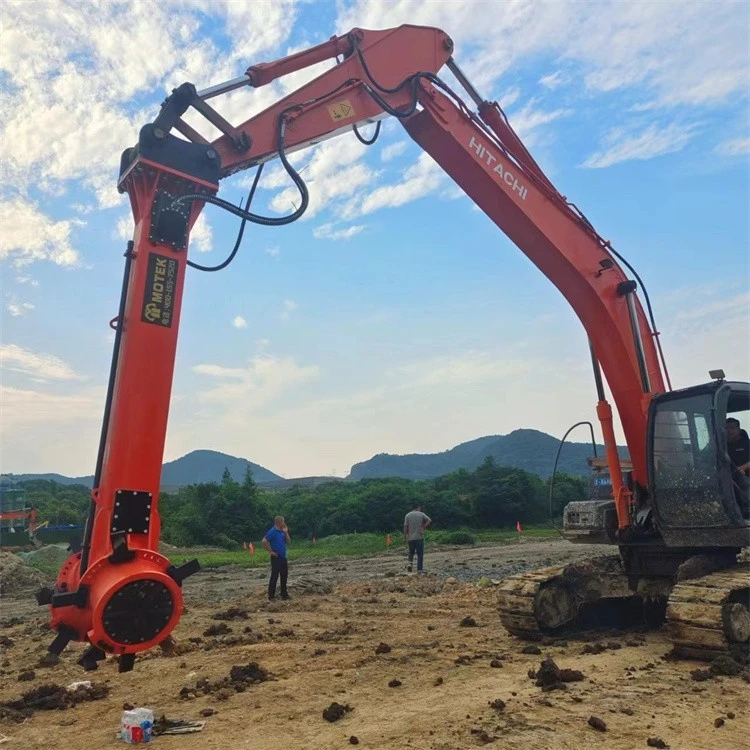
Mass Soil Mixing is a ground improvement technique that involves mixing in - situ soil with binders such as cement, lime, or other additives. This process modifies the physical and mechanical properties of the soil, enhancing its strength, stiffness, and durability. The [Soil Mixing Machine](/soil - stabilization-system/soil - mixing - machine.html) is a key equipment in this process. It can thoroughly blend the soil and binders to create a homogeneous mixture. The [Mixer](/soil - stabilization-system/mixer.html) within the soil mixing machine plays a crucial role in ensuring efficient and uniform mixing.
The [Soil Improvement System](/soil - stabilization-system/soil - improvement - system.html) encompasses not only the machinery but also the overall approach and engineering design. By tailoring the type and amount of binder, as well as the mixing process, we can achieve different levels of soil improvement to meet specific project requirements.
Advantages of Mass Soil Mixing in Dam Construction
1. Enhanced Soil Stability
One of the primary concerns in dam construction is the stability of the foundation and embankment. Weak or unstable soil can lead to settlement, slope failure, and other structural problems. Mass Soil Mixing can significantly improve the shear strength of the soil, reducing the risk of failure. By mixing the soil with binders, we create a stronger and more cohesive material that can better withstand the forces exerted by the dam and the water it retains.
2. Adaptability to Different Soil Types
Dams can be built on a variety of soil types, including soft clay, silt, and sand. Mass Soil Mixing is a versatile technique that can be applied to different soil conditions. Whether the soil is highly compressible or has low bearing capacity, we can adjust the mixing parameters and binder types to achieve the desired soil improvement. This adaptability makes it a suitable solution for a wide range of dam construction projects.

3. Cost - effectiveness
Compared to traditional foundation improvement methods such as deep - pile foundations or soil replacement, Mass Soil Mixing can be a more cost - effective option. It reduces the need for extensive excavation and the use of large amounts of imported fill materials. Additionally, the in - situ mixing process minimizes the transportation costs associated with moving soil and materials to and from the site. This cost - savings can be significant, especially for large - scale dam projects.
4. Environmental Benefits
Mass Soil Mixing is an environmentally friendly technique. It makes use of the existing soil on - site, reducing the need for soil excavation and disposal. This helps to minimize the disturbance to the natural environment and reduce the carbon footprint associated with the project. Moreover, the use of binders can sometimes reduce the permeability of the soil, which can help in preventing the seepage of water and contaminants into the surrounding environment.
Challenges of Mass Soil Mixing in Dam Construction
1. Quality Control
Ensuring the quality of the soil - binder mixture is crucial for the success of the dam construction. Factors such as the mixing ratio, binder distribution, and compaction can significantly affect the performance of the improved soil. Strict quality control measures need to be implemented throughout the mixing process. Regular testing of the soil - binder samples is required to verify that the desired strength and other properties are achieved.
2. Site - Specific Conditions
Each dam site has its unique geological and environmental conditions. Factors such as groundwater level, soil variability, and seismic activity can pose challenges to the application of Mass Soil Mixing. For example, high groundwater levels can affect the curing process of the binder, and soil variability may require more complex mixing strategies to achieve uniform improvement. Thorough site investigations and detailed engineering design are necessary to address these site - specific issues.
3. Long - term Performance
While Mass Soil Mixing can improve the short - term stability of the soil, its long - term performance in a dam environment needs to be carefully evaluated. The soil - binder mixture may be exposed to long - term water pressure, chemical reactions, and cyclic loading. Understanding how these factors will affect the durability and performance of the improved soil over time is essential for ensuring the long - term safety of the dam.
Case Studies of Mass Soil Mixing in Dam Construction
There have been several successful applications of Mass Soil Mixing in dam construction around the world. For example, in a dam project in a region with soft clay soil, Mass Soil Mixing was used to improve the foundation soil. By mixing the clay with cement, the shear strength of the soil was increased, and the settlement of the dam was effectively controlled. The project was completed within the budget and on schedule, demonstrating the feasibility and effectiveness of Mass Soil Mixing in dam construction.
In another case, a dam on a site with variable soil conditions used Mass Soil Mixing to create a more uniform foundation. The [Soil Improvement System](/soil - stabilization-system/soil - improvement - system.html) was customized to address the different soil layers, and the result was a stable and reliable dam structure.
Conclusion
In conclusion, Mass Soil Mixing has great potential in dam construction. Its advantages in enhancing soil stability, adaptability to different soil types, cost - effectiveness, and environmental benefits make it an attractive option for dam projects. However, it also faces challenges in terms of quality control, site - specific conditions, and long - term performance. With proper engineering design, strict quality control, and thorough site investigations, these challenges can be overcome.
If you are considering using Mass Soil Mixing in your dam construction project, I encourage you to reach out to us for more information. Our team of experts can provide you with detailed technical advice and customized solutions based on your specific project requirements. We are committed to helping you achieve a successful and sustainable dam construction project. Contact us to start the discussion about how our Mass Soil Mixing solutions can meet your needs.
References
- ASTM International. (20XX). Standard test methods for soil and rock.
- Coduto, D. P. (20XX). Foundation design: principles and practices.
- Federal Highway Administration. (20XX). Ground improvement technologies for transportation projects.





