Can a soil screening bucket be used in desert areas?
As a supplier of soil screening buckets, I often receive inquiries from clients in various geographical locations, each with unique soil conditions and project requirements. One question that has come up more frequently in recent times is whether a soil screening bucket can be used in desert areas. This blog post aims to delve into this topic, exploring the feasibility, challenges, and potential benefits of using soil screening buckets in desert terrains.
Understanding the Desert Environment
Deserts are characterized by their arid climate, sparse vegetation, and vast expanses of sand. The soil in desert areas typically consists of loose, fine - grained sand, along with varying amounts of gravel, rocks, and dust. These conditions present both opportunities and challenges when it comes to using soil screening buckets.

Feasibility of Using Soil Screening Buckets in Desert Areas
- Separation of Materials: One of the primary functions of a soil screening bucket is to separate different sizes of materials. In desert areas, there may be a need to separate sand from larger rocks or gravel. For example, in construction projects in desert regions, clean sand may be required for concrete production or as a base material for building foundations. A soil screening bucket can effectively sift through the desert soil, separating the sand from larger debris, making it suitable for such applications.
- Land Reclamation and Stabilization: Desertification is a growing concern in many parts of the world. Soil screening buckets can play a role in land reclamation projects in desert areas. By screening the soil, it is possible to identify and remove large rocks that may impede the growth of vegetation. Additionally, the screened soil can be mixed with organic matter or other additives to improve its fertility and water - holding capacity, facilitating the establishment of plant life and stabilizing the desert soil.
Challenges of Using Soil Screening Buckets in Desert Areas
- Dust Generation: The fine - grained nature of desert sand means that using a soil screening bucket can generate a significant amount of dust. This can pose health risks to operators and workers in the vicinity, as well as environmental concerns. To mitigate this issue, dust suppression systems can be installed on the screening buckets or in the work area. These systems can spray water or other dust - binding agents to reduce the amount of airborne dust.
- Wear and Tear: The abrasive nature of desert sand can cause accelerated wear and tear on the components of the soil screening bucket. The screens, in particular, are prone to damage as the sand constantly rubs against them. Regular maintenance and replacement of worn - out parts are essential to ensure the longevity and efficiency of the screening bucket.
- Extreme Temperatures: Desert areas are known for their extreme temperature variations, with scorching hot days and cold nights. These temperature fluctuations can affect the performance of the soil screening bucket. For example, the hydraulic systems of the bucket may be more prone to overheating during the day and may experience reduced fluid viscosity at night. Adequate cooling and heating systems need to be in place to maintain optimal operating conditions.
Types of Soil Screening Buckets Suitable for Desert Areas
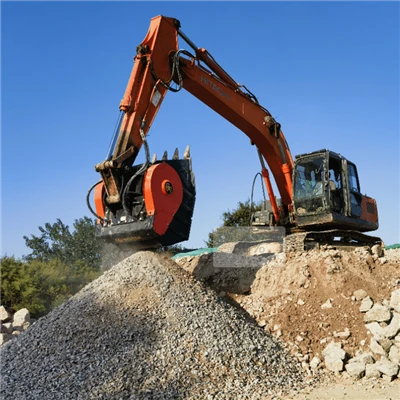
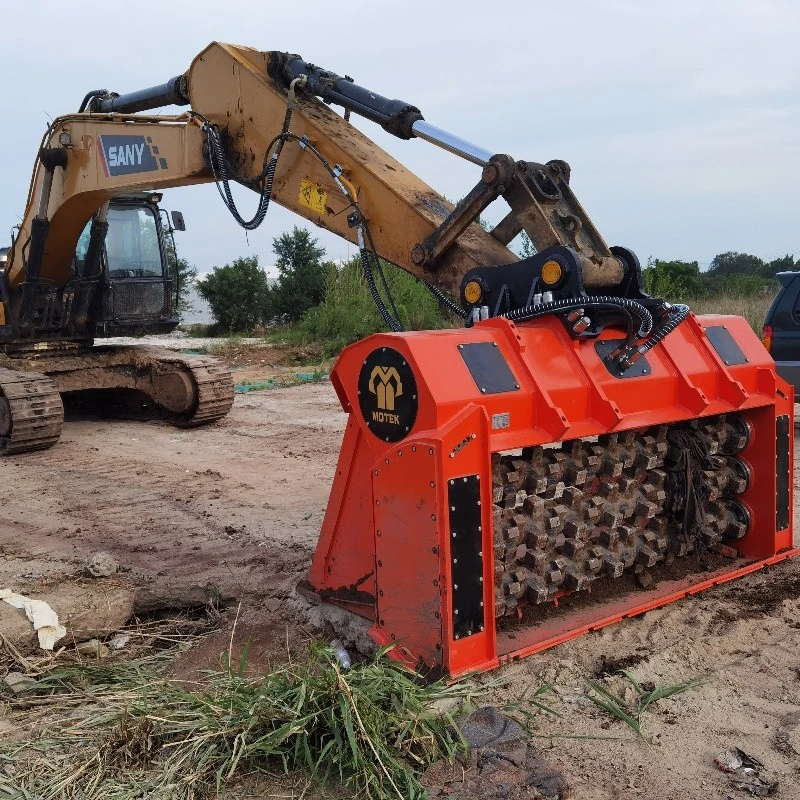
- Rock Screening Bucket for Excavator: This type of screening bucket is designed to handle larger rocks and debris. In desert areas, where there may be scattered boulders and larger stones, a rock screening bucket attached to an excavator can efficiently separate these materials from the sand. It is built with heavy - duty components to withstand the rigors of handling large and abrasive rocks.
- Skid Steer Screener Bucket: Skid steer loaders are highly maneuverable, making them suitable for working in tight spaces in desert environments. A skid steer screener bucket can be used for smaller - scale projects, such as screening soil for landscaping or small construction sites. It is relatively easy to operate and can be quickly attached and detached from the skid steer loader.
- Backhoe Screening Bucket: Backhoes are versatile machines commonly used in construction and earth - moving projects. A backhoe screening bucket can be used to screen soil while the backhoe is performing other tasks, such as digging or trenching. This makes it a cost - effective option for projects in desert areas where multiple functions need to be carried out simultaneously.
Potential Benefits of Using Soil Screening Buckets in Desert Areas
- Cost - Efficiency: By using a soil screening bucket, contractors can save on the cost of transporting soil from other locations. Instead of importing clean sand or soil, they can screen the existing desert soil on - site, reducing transportation costs and minimizing the environmental impact associated with long - distance hauling.
- Increased Productivity: Soil screening buckets can significantly increase the productivity of construction and land reclamation projects in desert areas. They can quickly and efficiently separate the required materials, reducing the time and labor required for manual sorting. This allows projects to be completed more quickly, saving both time and money.
Conclusion
In conclusion, a soil screening bucket can indeed be used in desert areas, despite the challenges posed by the unique desert environment. With proper planning, the right equipment, and appropriate mitigation measures, soil screening buckets can offer significant benefits in terms of material separation, land reclamation, and cost - efficiency.
If you are considering using a soil screening bucket for your project in a desert area, or if you have any questions about our range of Rock Screening Bucket for Excavator, Skid Steer Screener Bucket, and Backhoe Screening Bucket, please feel free to contact us. Our team of experts is ready to assist you in selecting the most suitable equipment for your specific needs and to provide you with detailed information on how to operate and maintain the screening buckets effectively in desert conditions.
References
- "Desert Soils: Properties and Management" by P. A. Shainberg and A. Shalhevet.
- "Construction Equipment Handbook" by Frank R. Hinkel.
- "Land Reclamation in Arid and Semi - Arid Regions" by the United Nations Environment Programme.