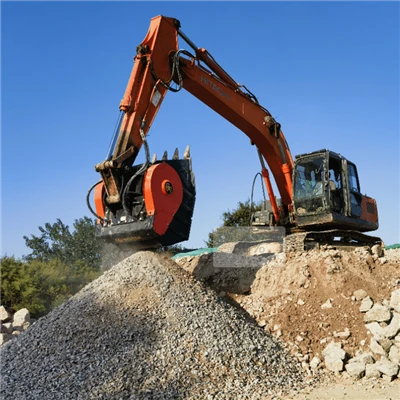
Hey there! As a supplier of soil screener buckets, I often get asked if our products can be used for beach sand screening. Well, let's dig into this topic and find out if a soil screener bucket is up for the beach sand screening challenge.
Understanding the Soil Screener Bucket
First off, let's talk a bit about what a soil screener bucket is. It's a handy attachment that you can put on different types of heavy - machinery like excavators, skid steers, etc. The main job of a soil screener bucket is to separate different sizes of materials in the soil. It has a mesh or a series of bars that allow smaller particles to pass through while keeping larger ones inside the bucket.
There are different types of soil screener buckets available on the market. For instance, the Topsoil Screening Bucket is specifically designed for handling topsoil. It can efficiently separate organic matter, rocks, and debris from the soil, making it great for gardening, landscaping, and construction projects where you need clean topsoil.
Then we have the Digger Screening Bucket. This one is more heavy - duty and is usually used with excavators. It can handle larger volumes of material and is built to withstand tough working conditions.
And the Skid Steer Screener Bucket is perfect for smaller projects or when you need more maneuverability. Skid steers are known for their ability to turn in tight spaces, so this type of screener bucket can be very useful in areas with limited access.
Characteristics of Beach Sand
Beach sand has its own unique characteristics. It's generally made up of small, rounded particles that are often well - sorted. The size of beach sand particles can vary, but most of them are in the range of fine to medium - sized grains. Beach sand also tends to be quite clean compared to soil from other sources, as the constant action of the waves and tides helps to wash away a lot of the debris.
However, beach sand may also contain some shells, pebbles, and other small rocks. In addition, if the beach is near an industrial area or a river mouth, there could be some contaminants like plastic fragments or sediment from the river.
Can a Soil Screener Bucket Work for Beach Sand Screening?
The short answer is yes, a soil screener bucket can be used for beach sand screening, but there are some factors to consider.


Advantages
- Separation of Debris: One of the main advantages of using a soil screener bucket for beach sand screening is that it can effectively separate the shells, pebbles, and other larger debris from the sand. This is important if you're planning to use the sand for a project like building a sandcastle competition area or for a children's play area where you don't want any sharp or large objects.
- Sorting by Particle Size: If you need sand of a specific particle size, a soil screener bucket can help you achieve that. By choosing the right mesh size for the bucket, you can ensure that only sand particles within the desired size range pass through.
- Efficiency: Using a soil screener bucket attached to heavy - machinery can be much more efficient than screening the sand by hand. You can cover a larger area in a shorter amount of time, which is especially useful if you have a large volume of sand to screen.
Disadvantages
- Corrosion: Beach sand is often in a salty environment, and the salt can cause corrosion to the soil screener bucket over time. The metal parts of the bucket may start to rust, which can reduce its lifespan. To combat this, you may need to use a bucket made of corrosion - resistant materials or apply a protective coating.
- Fine Particle Clogging: Beach sand can be very fine, and there's a risk that the fine particles may clog the mesh of the screener bucket. This can slow down the screening process and may require frequent cleaning of the bucket.
Tips for Using a Soil Screener Bucket for Beach Sand Screening
If you decide to use a soil screener bucket for beach sand screening, here are some tips to make the process go smoothly.
- Choose the Right Mesh Size: Select a mesh size that suits your needs. If you want to remove only large shells and pebbles, a larger mesh size will work. But if you need very fine - grained sand, you'll need a smaller mesh.
- Regular Maintenance: Due to the risk of corrosion and clogging, it's important to perform regular maintenance on the soil screener bucket. This includes cleaning the mesh after each use and checking for any signs of rust or damage.
- Test in a Small Area First: Before you start screening a large area of beach sand, test the soil screener bucket in a small area. This will allow you to see how well it works and make any necessary adjustments.
Real - World Applications
There are several real - world applications where using a soil screener bucket for beach sand screening can be beneficial.
- Beach Restoration Projects: When restoring a beach, you may need to remove debris and sort the sand to improve its quality. A soil screener bucket can help in this process by quickly separating the unwanted materials from the sand.
- Construction on the Beach: If you're building a structure on the beach, like a beachfront property or a pier, you may need clean sand for the foundation or for backfilling. A soil screener bucket can ensure that the sand you use is free of debris and of the right particle size.
Conclusion
In conclusion, a soil screener bucket can definitely be used for beach sand screening. It has the ability to separate debris and sort the sand by particle size, which can be very useful for various projects. However, you need to be aware of the potential issues like corrosion and clogging and take appropriate measures to address them.
If you're interested in using a soil screener bucket for beach sand screening or any other application, I'd love to talk to you. We have a wide range of soil screener buckets that can meet your specific needs. Whether you need a topsoil screening bucket, a digger screening bucket, or a skid steer screener bucket, we've got you covered. Just reach out to us, and we can discuss your project requirements and find the perfect solution for you.
References
- "Principles of Soil Mechanics" by Donald P. Coduto
- "Beach Processes and Sedimentation" by Douglas M. Sherman and David R. Wright