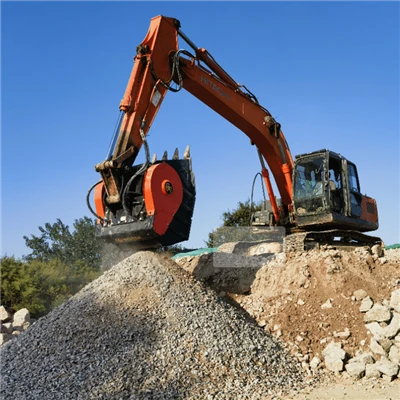
Can a soil mixing tool be used for seedbed preparation? This is a question that many farmers, gardeners, and agricultural enthusiasts often ask. As a supplier of Soil Mixing Tool, I have had the opportunity to explore this topic in depth and share my insights with you.
The Basics of Seedbed Preparation
Before we delve into the suitability of soil mixing tools for seedbed preparation, let's first understand what seedbed preparation entails. A good seedbed is crucial for successful crop growth as it provides an ideal environment for seeds to germinate and seedlings to establish. Key factors in seedbed preparation include soil texture, structure, fertility, and moisture content.
The goal is to create a loose, well - aerated soil layer that allows seeds to easily penetrate, access water and nutrients, and develop strong root systems. This often involves breaking up large soil clods, incorporating organic matter, and ensuring an even distribution of nutrients.
How Soil Mixing Tools Work
Soil mixing tools are designed to blend different materials within the soil. They can be used to mix in amendments such as lime, fertilizers, and organic matter to improve soil quality. These tools come in various types, including rotary tillers, plows with mixing attachments, and specialized soil mixing machines.
Rotary tillers, for example, use rotating blades to break up the soil and mix in any added materials. They can be adjusted to different depths, allowing for customized soil preparation. Plows with mixing attachments work by turning over the soil and simultaneously incorporating amendments as they move through the field. Specialized soil mixing machines are often used in large - scale agricultural operations and can mix large volumes of soil quickly and efficiently.
Advantages of Using a Soil Mixing Tool for Seedbed Preparation
- Uniform Mixing: One of the primary advantages of using a soil mixing tool is the ability to achieve a uniform mixture of soil and amendments. When preparing a seedbed, it is essential that fertilizers, lime, and organic matter are evenly distributed throughout the soil. This ensures that all seeds have access to the same nutrients, promoting consistent germination and growth.
- Improved Soil Structure: Soil mixing tools can break up compacted soil, improving its structure. Compacted soil can restrict root growth and water infiltration. By loosening the soil, these tools create a more porous environment that allows roots to penetrate easily and water to drain properly. This is especially important for small seeds that require a light, well - structured soil to germinate.
- Time and Labor Savings: Using a soil mixing tool can significantly reduce the time and labor required for seedbed preparation. Manual methods of mixing soil and amendments can be extremely labor - intensive and time - consuming, especially for large fields. Soil mixing tools can cover large areas quickly, making the process more efficient.
- Enhanced Soil Aeration: Proper soil aeration is crucial for seed germination and root development. Soil mixing tools increase the amount of air in the soil by creating small pores and channels. This allows oxygen to reach the roots and helps in the breakdown of organic matter, releasing nutrients for the plants.
Challenges and Considerations
- Soil Type: The effectiveness of a soil mixing tool can vary depending on the soil type. For example, heavy clay soils may be more difficult to mix than sandy soils. Clay soils tend to clump together, and more powerful mixing tools may be required to break them up and achieve a uniform mixture.
- Depth of Mixing: It is important to ensure that the soil mixing tool is set to the appropriate depth for seedbed preparation. Mixing too deeply can bring up sub - soil that may be less fertile and have a different texture than the top - soil. On the other hand, mixing too shallowly may not provide enough depth for the roots to grow.
- Cost: Some soil mixing tools can be expensive to purchase and maintain. For small - scale farmers or gardeners, the cost may be a significant factor to consider. However, in the long run, the benefits of using these tools, such as improved crop yields, may outweigh the initial investment.
Case Studies
Let's look at some real - world examples of how soil mixing tools have been used for seedbed preparation.
In a large - scale wheat farm in the Midwest, the use of a specialized soil mixing machine led to a 15% increase in wheat yields. The machine was able to evenly mix fertilizers and lime into the soil, providing the wheat plants with the necessary nutrients throughout the growing season. The improved soil structure also allowed for better root development, resulting in healthier and more productive plants.
In a small vegetable garden, a rotary tiller was used to prepare the seedbed. The gardener mixed in compost and a balanced fertilizer, and the tiller ensured that these materials were evenly distributed. As a result, the vegetable plants germinated quickly and grew vigorously, with a higher survival rate compared to previous years when manual methods were used.
Complementary Practices
While soil mixing tools are effective for seedbed preparation, they are often used in conjunction with other practices. For example, after using a soil mixing tool, it may be necessary to level the seedbed to ensure a flat surface for sowing seeds. Harrows can be used to smooth out the soil and break up any remaining clods.
In addition, soil testing should be done before using a soil mixing tool. This helps determine the specific nutrient requirements of the soil and allows for the appropriate amount of amendments to be added.


Our Soil Mixing Tool Offerings
As a supplier of Soil Mixing Tool, we offer a wide range of products suitable for different types of seedbed preparation. Our tools are designed with the latest technology to ensure efficient and effective soil mixing.
We also provide Soil Stabilization Products that can be used in conjunction with our soil mixing tools. These products can further improve soil quality and stability, especially in areas with challenging soil conditions. Our Mass Soil Mixing solutions are ideal for large - scale agricultural and construction projects.
Conclusion
In conclusion, a soil mixing tool can be an excellent choice for seedbed preparation. It offers numerous advantages, including uniform mixing, improved soil structure, time and labor savings, and enhanced soil aeration. However, it is important to consider factors such as soil type, depth of mixing, and cost.
If you are looking to improve your seedbed preparation and enhance your crop yields, we invite you to explore our range of soil mixing tools and products. Our team of experts is ready to assist you in choosing the right solution for your specific needs. Contact us today to start a discussion about how our products can benefit your agricultural operations.
References
- Brady, N. C., & Weil, R. R. (2002). The Nature and Properties of Soils. Prentice Hall.
- Hillel, D. (1998). Environmental Soil Physics. Academic Press.
- Smith, J. M. (2015). Agricultural Machinery and Equipment. McGraw - Hill.