

Hey there! As a supplier of soil mixing heads, I often get asked if these nifty tools can be used for mixing different soil additives. Well, the short answer is yes, and in this blog, I'll dive deep into how and why that works.
First off, let's talk about what a soil mixing head is. It's a piece of equipment designed to blend materials within the soil. It's used in a variety of construction and environmental projects. You can think of it as a high - tech blender for the ground.
Now, why would you want to mix different soil additives? There are several reasons. One of the main ones is soil improvement. Different additives can enhance the soil's properties, such as its strength, stability, and permeability. For example, adding lime to clayey soil can reduce its plasticity and increase its bearing capacity. You can learn more about Soil Improvements on our website.
When it comes to using a soil mixing head for this purpose, it offers some great advantages. The mixing head can ensure a uniform distribution of the additives throughout the soil. This is crucial because an uneven distribution could lead to weak spots in the soil, which can cause problems down the line, like settlement or slope failure.
Let's take a look at some common soil additives that can be mixed using a soil mixing head.
Cement
Cement is a widely used additive for soil stabilization. When mixed with soil, it forms a cementitious matrix that binds the soil particles together. This results in increased strength and reduced compressibility. Our soil mixing head can handle the mixing of cement with soil efficiently. It can break up large soil clumps and thoroughly blend the cement powder into the soil, ensuring that every bit of soil gets a fair share of the cement.
Lime
Lime is another popular additive, especially for treating clayey soils. It reacts with the clay minerals in the soil, causing a chemical change that improves the soil's engineering properties. Using a soil mixing head, you can mix lime into the soil at the right depth and achieve a homogeneous mixture. This is important because lime needs to be evenly distributed to have the desired effect on the soil.
Fly Ash
Fly ash is a by - product of coal combustion. It can be used as a soil additive to improve soil workability and strength. Our soil mixing head can easily incorporate fly ash into the soil. The head's rotating blades can stir up the soil and mix the fly ash in a way that allows for good interaction between the two materials.
Chemical Stabilizers
There are also various chemical stabilizers available in the market. These can be used to change the soil's properties, such as its water - holding capacity or its resistance to erosion. Our soil mixing head can be adjusted to mix these chemical stabilizers effectively. It can control the mixing speed and depth to ensure that the stabilizers are properly mixed with the soil.
Organic Amendments
Organic amendments, like compost or manure, can also be mixed with soil using a soil mixing head. These amendments can improve soil fertility, structure, and water - holding capacity. The mixing head can break down the organic matter and spread it evenly throughout the soil, which is beneficial for agricultural or landscaping projects.
In addition to soil improvement, soil mixing heads can also be used for Soil Decontamination. In contaminated soil sites, additives can be used to immobilize or break down pollutants. Our soil mixing head can mix in agents like activated carbon or chemical oxidants to treat the contaminated soil. The uniform mixing provided by the head is essential for effective decontamination.
Another application is In - situ Soil Stabilization Methods. Instead of excavating and transporting soil to a treatment facility, in - situ stabilization allows you to treat the soil right where it is. Our soil mixing head can be used in this process to mix the additives directly into the ground. This saves time and money, as well as reducing the environmental impact associated with soil excavation and transportation.
Of course, there are some things to keep in mind when using a soil mixing head to mix different soil additives.
Additive Dosage
It's important to get the dosage of the additives right. Too little of an additive may not achieve the desired improvement in the soil, while too much can be wasteful and may even have a negative impact on the soil. You need to conduct soil tests beforehand to determine the appropriate amount of additive to use.
Mixing Time and Speed
The mixing time and speed also matter. Different additives may require different mixing times and speeds to achieve the best results. Our soil mixing head can be adjusted to meet these requirements. You can control the rotation speed of the blades and the duration of the mixing process to ensure optimal mixing.
Soil Conditions
The type and condition of the soil also play a role. For example, if the soil is very dry, it may be more difficult to mix the additives. In such cases, you may need to add some water to the soil to make it more workable. Our soil mixing head can be used in conjunction with other equipment, like water injection systems, to handle different soil conditions.

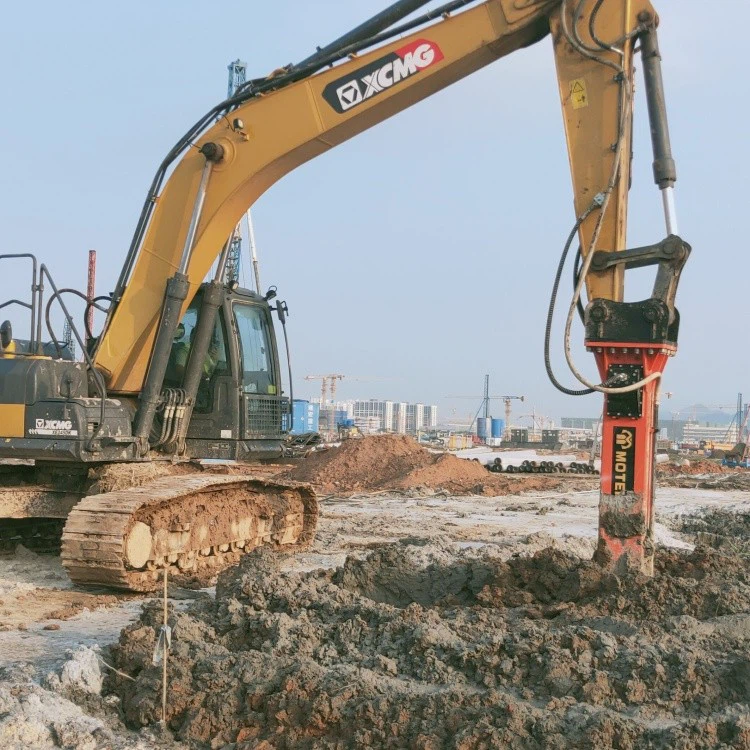
In conclusion, a soil mixing head is a versatile tool that can be used for mixing different soil additives. Whether you're working on a construction project, an environmental remediation project, or an agricultural project, our soil mixing head can help you achieve a uniform and effective mixture of additives in the soil.
If you're interested in learning more about our soil mixing heads or have a project where you need to mix soil additives, don't hesitate to get in touch. We're here to help you find the best solution for your soil mixing needs.
References
- Das, B. M. (2014). Principles of Geotechnical Engineering. Cengage Learning.
- Holtz, R. D., & Kovacs, W. D. (1981). An Introduction to Geotechnical Engineering. Prentice - Hall.





