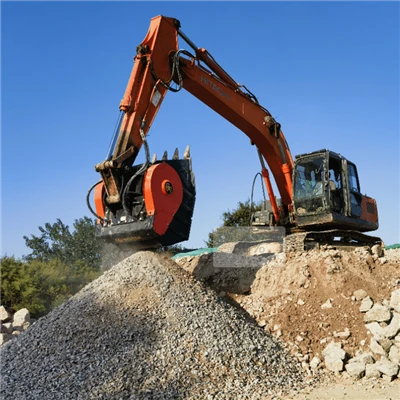
As a supplier of screening buckets, I often encounter inquiries from customers about the applicability of our products in various scenarios, especially when it comes to screening demolition waste. In this blog post, I'll delve into the details of whether a screening bucket can be effectively used for this purpose.
Understanding Demolition Waste
Demolition waste is a complex mixture of materials generated during the destruction of buildings, structures, or infrastructure. It typically includes concrete, bricks, wood, metal, glass, and other debris. The composition of demolition waste can vary significantly depending on the type of structure being demolished, its age, and the construction methods used. This variability presents unique challenges when it comes to waste management and recycling.
How Screening Buckets Work
Before discussing their suitability for demolition waste screening, let's first understand how screening buckets operate. A screening bucket is an attachment that can be fitted to an excavator, loader, or other heavy machinery. It consists of a frame with a series of bars or meshes that allow materials to be screened based on their size. As the bucket is moved and rotated, the smaller particles pass through the gaps in the bars or meshes, while the larger ones remain inside the bucket.
There are different types of screening buckets available, each designed for specific applications. For example, the Soil Screener Bucket is optimized for screening soil and fine materials, while the Recycling Screening Bucket is more suitable for handling a wider range of waste materials. The Screening Bucket is a versatile option that can be used in various screening tasks.
Advantages of Using a Screening Bucket for Demolition Waste
1. Efficient Separation
One of the primary advantages of using a screening bucket for demolition waste is its ability to efficiently separate different materials based on size. This allows for the quick and effective sorting of concrete, bricks, and other debris, making it easier to recycle or dispose of the waste. By separating the materials, you can reduce the volume of waste that needs to be transported to landfills, which not only saves money but also helps to minimize the environmental impact.
2. On - Site Screening
Screening buckets can be used directly on the demolition site, eliminating the need to transport large volumes of waste to a separate processing facility. This reduces transportation costs and time, as well as the associated carbon emissions. On - site screening also allows for immediate recycling of the separated materials, which can be reused in new construction projects, such as using crushed concrete as aggregate.
3. Versatility
Screening buckets are highly versatile and can be adjusted to screen different sizes of materials. By changing the bars or meshes, you can customize the screening process to meet the specific requirements of your demolition project. This flexibility makes screening buckets suitable for a wide range of demolition waste types and sizes.
4. Cost - Effective
Compared to traditional waste screening methods, such as using stationary screening plants, screening buckets are a more cost - effective solution. They require less capital investment and have lower operating costs, especially for smaller demolition projects. Additionally, the ability to recycle materials on - site can generate additional revenue by selling the recycled products.
Challenges and Considerations
1. Contamination
Demolition waste often contains contaminants such as asbestos, lead, and other hazardous materials. These contaminants can pose a risk to the environment and human health if not properly managed. When using a screening bucket, it's important to ensure that the waste is pre - sorted to remove any hazardous materials before screening. This may require additional labor and equipment, but it's essential for compliance with environmental regulations.
2. Wear and Tear
The abrasive nature of demolition waste can cause significant wear and tear on the screening bucket. Concrete, bricks, and metal can damage the bars and meshes, reducing the efficiency of the screening process. Regular maintenance and inspection of the screening bucket are necessary to ensure its optimal performance and longevity. This may involve replacing worn - out parts and lubricating moving components.
3. Capacity
The capacity of a screening bucket may be limited, especially for large - scale demolition projects. If the volume of waste is too high, the screening process may become slow and inefficient. In such cases, it may be necessary to use multiple screening buckets or a combination of screening buckets and other screening equipment.
Case Studies
To illustrate the effectiveness of screening buckets in demolition waste screening, let's look at a few case studies.
Case Study 1: Small - Scale Building Demolition
A contractor was demolishing a small commercial building. By using a screening bucket, they were able to separate the concrete, bricks, and wood on - site. The recycled concrete was used as aggregate for a new parking lot project, while the bricks were reused in a landscaping project. The screening process not only reduced the waste sent to the landfill but also saved the contractor money on material costs.
Case Study 2: Large - Scale Industrial Demolition
In a large - scale industrial demolition project, multiple screening buckets were used in conjunction with other screening equipment. The screening buckets were able to quickly separate the different materials, allowing for efficient recycling. The project was completed on time and within budget, and a significant amount of waste was diverted from landfills.
Conclusion
In conclusion, a screening bucket can be an effective tool for screening demolition waste. It offers numerous advantages, including efficient separation, on - site screening, versatility, and cost - effectiveness. However, it's important to be aware of the challenges and considerations, such as contamination, wear and tear, and capacity limitations. By carefully planning and managing the screening process, you can maximize the benefits of using a screening bucket and achieve your waste management and recycling goals.
If you're involved in a demolition project and are considering using a screening bucket for waste screening, I encourage you to reach out to us. Our team of experts can provide you with detailed information about our products, help you select the right screening bucket for your needs, and offer guidance on the best practices for using it. We're committed to providing high - quality screening solutions that can improve the efficiency and sustainability of your demolition projects.


References
- Construction and Demolition Waste Management: Best Practices and Case Studies. (Author unknown). A publication on waste management in the construction industry.
- Screening Bucket Technology: Principles and Applications. (Author unknown). A technical guide on the operation and uses of screening buckets.