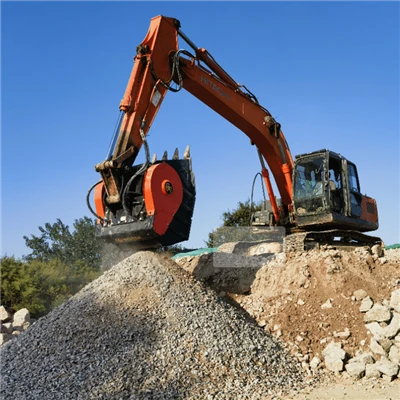
Can a jaw bucket be used for landfill work? This is a question that often arises among those involved in the waste management and landfill industries. As a supplier of jaw buckets, I have seen firsthand the potential and versatility of these tools in various applications, including landfill operations. In this blog post, I will explore the feasibility of using a jaw bucket for landfill work, discuss its benefits, and provide some insights into its practical implementation.
Understanding the Jaw Bucket
Before delving into its use in landfill work, let's first understand what a jaw bucket is. A jaw bucket is a specialized attachment for excavators that combines the functions of a bucket and a crusher. It consists of two jaws that can open and close, allowing it to grab, crush, and transport materials. The jaws are typically made of high-strength steel and are designed to withstand the rigors of heavy-duty use.
Jaw buckets come in various sizes and configurations to suit different applications and excavator models. Some jaw buckets are designed for primary crushing, while others are used for secondary or tertiary crushing. They can be used to crush a wide range of materials, including rocks, concrete, asphalt, and demolition debris.
Benefits of Using a Jaw Bucket for Landfill Work
There are several benefits to using a jaw bucket for landfill work. Here are some of the key advantages:
1. Efficient Crushing
One of the primary benefits of using a jaw bucket is its ability to crush materials on-site. This eliminates the need to transport large amounts of waste to a separate crushing facility, saving time and money on transportation costs. By crushing the waste directly at the landfill, you can reduce the volume of the waste and make more efficient use of the available landfill space.
2. Versatility
Jaw buckets are highly versatile and can be used for a variety of tasks in landfill operations. They can be used to crush large rocks and boulders, break up concrete slabs, and process demolition debris. They can also be used to sort and separate different types of materials, making it easier to recycle and reuse valuable resources.
3. Cost-Effective
Using a jaw bucket can be a cost-effective solution for landfill work. Since the waste is crushed on-site, you can reduce the need for additional equipment and labor. This can result in significant cost savings over the long term. Additionally, by recycling and reusing materials, you can reduce the amount of waste that needs to be landfilled, which can also save money on landfill fees.
4. Environmental Benefits
Using a jaw bucket for landfill work can also have environmental benefits. By reducing the volume of waste that needs to be landfilled, you can help to conserve natural resources and reduce the environmental impact of landfill operations. Additionally, by recycling and reusing materials, you can reduce the demand for virgin materials and minimize the energy consumption associated with their production.
Practical Considerations for Using a Jaw Bucket in Landfill Work
While there are many benefits to using a jaw bucket for landfill work, there are also some practical considerations that need to be taken into account. Here are some of the key factors to consider:
1. Material Compatibility
Not all materials are suitable for crushing with a jaw bucket. Some materials, such as hard rocks and concrete, are ideal for crushing, while others, such as soft plastics and organic materials, may not be suitable. It is important to consider the type of materials that will be encountered in the landfill and choose a jaw bucket that is compatible with those materials.
2. Excavator Compatibility
The jaw bucket must be compatible with the excavator that will be used to operate it. This includes ensuring that the jaw bucket has the correct mounting system and hydraulic connections for the excavator. It is also important to consider the size and weight of the jaw bucket and ensure that the excavator has the necessary lifting capacity to handle it.
3. Maintenance and Repair
Like any piece of equipment, the jaw bucket requires regular maintenance and repair to ensure its optimal performance. This includes lubricating the moving parts, inspecting the jaws for wear and damage, and replacing any worn or damaged components. It is important to follow the manufacturer's recommended maintenance schedule and procedures to ensure the longevity of the jaw bucket.
4. Safety
Safety is always a top priority when using any piece of equipment, including a jaw bucket. It is important to ensure that the operator is properly trained and certified to operate the excavator and jaw bucket. Additionally, appropriate safety measures, such as wearing personal protective equipment and following safety protocols, should be in place to prevent accidents and injuries.
Examples of Jaw Bucket Applications in Landfill Work
Here are some examples of how a jaw bucket can be used in landfill work:
1. Rock and Boulder Crushing
Jaw buckets can be used to crush large rocks and boulders that are encountered in the landfill. This can help to reduce the size of the rocks and make them easier to handle and transport. By crushing the rocks on-site, you can also reduce the need to transport them to a separate crushing facility.
2. Concrete and Asphalt Recycling
Jaw buckets can be used to crush concrete and asphalt slabs that are generated during demolition and construction activities. The crushed materials can then be recycled and reused as aggregate in new construction projects. This not only helps to conserve natural resources but also reduces the amount of waste that needs to be landfilled.
3. Demolition Debris Processing
Jaw buckets can be used to process demolition debris, such as bricks, blocks, and wood. By crushing the debris on-site, you can separate the different types of materials and recycle or reuse them. This can help to reduce the volume of waste that needs to be landfilled and minimize the environmental impact of demolition activities.
Conclusion
In conclusion, a jaw bucket can be a valuable tool for landfill work. It offers many benefits, including efficient crushing, versatility, cost-effectiveness, and environmental benefits. However, there are also some practical considerations that need to be taken into account, such as material compatibility, excavator compatibility, maintenance and repair, and safety. By carefully considering these factors and choosing the right jaw bucket for the job, you can maximize the benefits of using a jaw bucket in landfill work.


If you are interested in learning more about jaw buckets and their applications in landfill work, or if you are considering purchasing a jaw bucket for your landfill operations, I encourage you to contact me to discuss your specific needs and requirements. I would be happy to provide you with more information and help you find the right jaw bucket for your application.
References
- Manufacturer's specifications and documentation for jaw buckets
- Industry standards and guidelines for landfill operations
- Case studies and research on the use of jaw buckets in landfill work