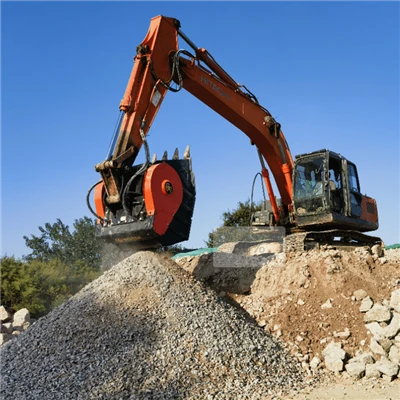
When it comes to earthmoving, construction, and waste management projects, the Best Screening Bucket stands out as an indispensable tool. As a supplier of the Best Screening Bucket, I've had the privilege of witnessing firsthand how this equipment revolutionizes various operations. However, like any specialized machinery, there are certain special requirements for its use. In this blog, I'll delve into these requirements to ensure you get the most out of your screening bucket.
Compatibility with Equipment
One of the primary considerations when using the Best Screening Bucket is its compatibility with the carrier equipment. Screening buckets are typically designed to be attached to excavators, skid - steers, and other heavy - duty machinery.
For excavators, the hydraulic system of the machine must be able to provide sufficient flow and pressure to operate the screening bucket effectively. The flow rate determines how quickly the bucket's tines or screens can move, which directly impacts the screening efficiency. If the hydraulic flow is too low, the bucket may not function at its optimum speed, leading to slower screening and reduced productivity. On the other hand, excessive pressure can cause damage to the bucket's components. You can find more information about Screener Bucket for Excavator on our website.
Similarly, when using the screening bucket with a skid - steer, the machine's hydraulic capabilities need to match the requirements of the bucket. Skid - steers have different hydraulic power outputs depending on their models and sizes. It's crucial to select a screening bucket that is specifically designed for the skid - steer's capacity. Our Screener Bucket for Skid Steer page provides detailed specifications to help you make the right choice.
Site Conditions
The nature of the work site also imposes special requirements on the use of the Best Screening Bucket. The terrain of the site can affect the stability and maneuverability of the carrier equipment. If the site has uneven ground, slopes, or soft soil, it may be necessary to take extra precautions.
On sloped terrain, the screening bucket should be operated with care to prevent the carrier equipment from tipping over. The operator needs to ensure that the machine is positioned correctly and that the load being screened is evenly distributed within the bucket. Soft soil can pose a challenge as the carrier equipment may sink, making it difficult to operate the screening bucket effectively. In such cases, using appropriate ground mats or stabilizing the machine can help.


The type of material being screened is another crucial factor. Different materials have different characteristics, such as particle size, hardness, and moisture content. For example, screening wet materials can be more challenging than dry materials. Wet materials tend to stick to the screens, reducing the screening efficiency and potentially clogging the bucket. In such situations, it may be necessary to adjust the screening process, such as increasing the vibration intensity or using a different type of screen.
Operator Training
Proper operator training is a non - negotiable requirement for using the Best Screening Bucket. An untrained operator may not only fail to achieve the desired screening results but also risk damaging the equipment or causing safety hazards.
Operators should be familiar with the basic operation of the screening bucket, including how to attach and detach it from the carrier equipment, how to start and stop the hydraulic system, and how to adjust the screening settings. They should also understand the safety procedures, such as wearing appropriate personal protective equipment (PPE), keeping a safe distance from moving parts, and following the manufacturer's instructions.
Training should also cover maintenance procedures. Regular maintenance is essential to keep the screening bucket in good working condition. Operators should be trained to perform basic maintenance tasks, such as checking the hydraulic hoses for leaks, lubricating the moving parts, and inspecting the screens for damage. By conducting regular maintenance, the lifespan of the screening bucket can be extended, and the risk of breakdowns can be minimized.
Maintenance and Inspection
As mentioned earlier, maintenance and inspection are vital requirements for using the Best Screening Bucket. Regular maintenance helps to ensure the equipment's reliability and performance.
The hydraulic system of the screening bucket should be inspected regularly for leaks, proper pressure, and fluid levels. Hydraulic fluid should be changed at the recommended intervals to prevent contamination and ensure smooth operation. The screens are another critical component that requires regular inspection. Damaged or worn - out screens can affect the screening quality and may need to be replaced promptly.
The moving parts of the screening bucket, such as the tines and bearings, should be lubricated regularly to reduce friction and wear. This helps to prevent premature failure of these components. Additionally, the bucket's structural integrity should be inspected for any signs of cracks or damage. If any issues are detected, they should be addressed immediately to avoid further damage and potential safety risks.
Safety Requirements
Safety is of utmost importance when using the Best Screening Bucket. There are several safety requirements that must be followed to protect the operator and those working in the vicinity.
The screening bucket should be equipped with appropriate safety features, such as guards and shields to prevent access to moving parts. Operators should always wear PPE, including hard hats, safety glasses, gloves, and steel - toed boots. When operating the equipment, the operator should be aware of their surroundings and avoid working near other people or equipment.
In addition, the screening bucket should be used in accordance with local safety regulations. These regulations may cover aspects such as noise levels, dust emissions, and equipment certification. By complying with these regulations, you can ensure a safe and legal working environment.
Conclusion
In conclusion, using the Best Screening Bucket comes with several special requirements. From equipment compatibility and site conditions to operator training, maintenance, and safety, every aspect plays a crucial role in ensuring the successful operation of the screening bucket.
As a supplier, we are committed to providing high - quality screening buckets and comprehensive support to our customers. If you're interested in purchasing a screening bucket or have any questions about its use, please don't hesitate to contact us. We're here to help you make the right choice and ensure that you get the most out of your investment.
References
- Manufacturer's manuals for the Best Screening Bucket
- Industry standards for earthmoving and screening equipment
- Safety regulations for construction and waste management sites