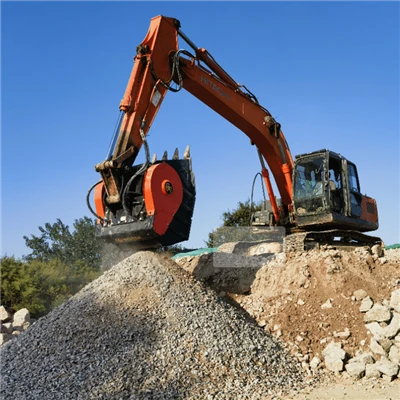
As a supplier of jaw buckets, I've often been asked about the regulations surrounding their use. In this blog, I'll delve into the various aspects of regulations related to jaw buckets, providing insights for those in the construction, mining, and related industries.
Understanding Jaw Buckets
Before we dive into the regulations, let's briefly understand what jaw buckets are. Jaw buckets are attachments for heavy - machinery like excavators. They are designed to crush various materials, such as rocks, concrete, and demolition waste. This functionality makes them extremely useful in construction sites, quarry operations, and demolition projects. For instance, a Stone Crusher is a type of jaw bucket that can efficiently break down large stones into smaller, more manageable pieces.
Safety Regulations
One of the most critical aspects of using jaw buckets is safety. There are numerous safety regulations in place to protect operators, bystanders, and the environment.
Operator Training
In many regions, operators of machinery with jaw buckets must undergo specific training. This training covers the proper operation of the jaw bucket, including how to load materials correctly, how to adjust the crushing settings, and how to perform basic maintenance. For example, an operator needs to know how to handle different types of materials in an Excavator Jaw Crusher to avoid jams and ensure smooth operation. Some countries even require operators to obtain a certification to prove their competence in using such equipment.
Personal Protective Equipment (PPE)
Operators are also required to wear appropriate PPE. This typically includes safety helmets, safety glasses, ear protection, and steel - toed boots. The crushing process can generate a significant amount of dust, noise, and flying debris. Safety glasses protect the eyes from flying particles, while ear protection reduces the risk of hearing damage from the loud noise produced during operation.
Machine Inspections
Regular inspections of the jaw bucket and the attached machinery are mandatory. Before each use, operators should check for any signs of wear and tear, loose bolts, or hydraulic leaks. A thorough inspection can prevent accidents caused by equipment failure. For a Big Jaw Crusher, which is often used for heavy - duty applications, these inspections are even more crucial due to the higher stresses and loads it experiences.
Environmental Regulations
Jaw buckets can have an impact on the environment, and thus, there are regulations in place to mitigate these effects.
Dust Control
The crushing process generates a large amount of dust. To comply with environmental regulations, measures must be taken to control dust emissions. This can include using water sprays at the crushing site to suppress dust. In some areas, the level of dust emissions is strictly regulated, and companies may face fines if they exceed the permitted limits.
Waste Management
Another important aspect is waste management. The crushed materials need to be properly disposed of or recycled. In construction projects, for example, the recycled crushed concrete can be used as a base material for roads or in new concrete production. There are regulations regarding the quality and handling of recycled materials to ensure they meet the required standards.
Noise Pollution
Jaw buckets, especially large - scale ones like Big Jaw Crushers, can produce high - level noise. Many regions have noise limits for industrial operations. Companies may need to install noise - reducing equipment or operate the jaw buckets during specific hours to comply with these regulations.
Permitting and Licensing
In addition to safety and environmental regulations, there are also permitting and licensing requirements for using jaw buckets.
Construction Sites
On construction sites, a permit may be required to operate a jaw bucket. This permit ensures that the site meets all the necessary safety and environmental standards. The local authorities will review the project plan, including the location of the crushing operation, the type of materials to be crushed, and the measures in place to control dust and noise.
Quarry Operations
In quarry operations, a different set of permits and licenses are needed. These are related to mining rights, environmental impact assessments, and compliance with industry - specific regulations. For example, a quarry may need to obtain a license to extract and process the minerals, and the use of jaw buckets must be in line with the approved mining plan.
International and Regional Variations
It's important to note that regulations regarding jaw bucket use can vary significantly from one country to another and even from one region to another within a country. Some countries may have more stringent safety and environmental regulations, while others may have a more relaxed approach.
Developed vs. Developing Countries
Developed countries generally have more comprehensive and strict regulations. They often invest more in research and development to improve safety and environmental standards. In contrast, developing countries may be in the process of formulating and implementing regulations, and there may be a lack of resources for enforcement.
Industry - Specific Regulations
Different industries may also have their own set of regulations. For example, the mining industry may have more specific requirements regarding the handling of radioactive materials or the use of explosives in conjunction with jaw buckets.


Impact on the Business
As a jaw bucket supplier, these regulations have a significant impact on my business.
Product Design and Development
I need to ensure that the jaw buckets I supply meet the latest safety and environmental standards. This may involve incorporating new features, such as improved dust - control systems or noise - reducing technologies. For example, I may need to design a Stone Crusher that can operate more quietly to comply with noise regulations.
Customer Education
I also play a role in educating my customers about the regulations. Many of my clients may not be fully aware of all the requirements, especially when they are operating in different regions. By providing them with information about safety, environmental, and permitting requirements, I can help them avoid legal issues and ensure smooth operations.
Market Access
Regulations can also affect market access. If a jaw bucket does not meet the regulations of a particular country or region, it cannot be sold there. This means that I need to stay updated on the regulations in different markets to expand my business.
Conclusion
In conclusion, there are numerous regulations regarding the use of jaw buckets, covering safety, environmental, and permitting aspects. These regulations are in place to protect operators, the environment, and the public. As a jaw bucket supplier, I am committed to ensuring that my products comply with all the relevant regulations.
If you are in the market for high - quality jaw buckets and need more information about our products or how they comply with the regulations, I encourage you to reach out. We can have a detailed discussion about your specific needs and how our jaw buckets can meet them. Whether you are working on a small - scale construction project or a large - scale quarry operation, we have the right solution for you.
References
- Occupational Safety and Health Administration (OSHA) guidelines on heavy - machinery operation.
- Environmental Protection Agency (EPA) regulations on dust and noise control in industrial operations.
- Local construction and mining industry regulatory bodies' documents.