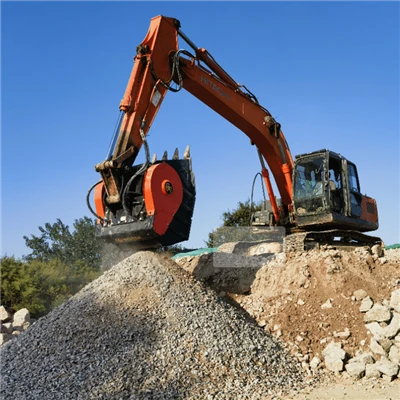
Hey there! As a supplier of soil improvements, I've been in the thick of the game for quite some time. I've seen firsthand how crucial it is to measure the success of soil improvements. It's not just about making the soil better; it's about knowing exactly how well you've done it. In this blog, I'll share some insights on how to measure the success of soil improvements.
Why Measuring Soil Improvement Success Matters
First off, why should we even bother measuring the success of soil improvements? Well, for starters, it helps us understand if the methods and products we're using are actually working. If you're spending time and money on soil improvement, you want to know that it's making a real difference. Measuring also allows us to fine - tune our approaches. Maybe a particular product isn't performing as well as expected, or a certain technique needs some adjustment. By having clear measurements, we can make informed decisions and get better results over time.
Physical Properties of Soil
One of the most straightforward ways to measure soil improvement is by looking at its physical properties.
Soil Texture
Soil texture refers to the relative proportions of sand, silt, and clay in the soil. A well - balanced soil texture is ideal for plant growth. Before starting any soil improvement project, take a soil sample and analyze its texture. You can use a simple jar test at home or send the sample to a professional lab. After applying your soil improvement products, retest the soil texture. If the improvement is successful, you might see a shift towards a more loamy texture, which is a good mix of sand, silt, and clay. This change can improve water infiltration and retention, as well as root penetration.
Bulk Density
Bulk density is the mass of dry soil per unit volume. High bulk density often indicates compacted soil, which can limit root growth and water movement. You can measure bulk density by taking a soil core sample and weighing it after drying. After soil improvement, a decrease in bulk density is a positive sign. Loosening the soil through the addition of organic matter or the use of Soil Stabilization Products can help reduce bulk density and create a more favorable environment for plants.
Porosity
Porosity is related to the amount of pore space in the soil. Good porosity allows for air and water movement. You can estimate porosity based on bulk density and particle density. After soil improvement, an increase in porosity means that the soil can hold more air and water, which is great for plant roots. Organic amendments like compost can increase porosity by creating a more open soil structure.
Chemical Properties of Soil
Chemical properties are also vital when it comes to measuring soil improvement success.


pH Level
The pH level of the soil affects nutrient availability. Different plants thrive in different pH ranges. For example, blueberries prefer acidic soil, while some vegetables do better in slightly alkaline soil. Use a soil pH test kit to measure the pH before and after soil improvement. If you're adding lime to raise the pH or sulfur to lower it, you should see a change in the test results. A successful soil improvement should bring the pH level within the optimal range for the plants you're growing.
Nutrient Content
Soil nutrients such as nitrogen (N), phosphorus (P), and potassium (K) are essential for plant growth. You can have your soil tested for nutrient content at a lab. After applying fertilizers or other soil amendments, check the nutrient levels again. An increase in the available nutrients in the soil can indicate successful soil improvement. However, it's important not to over - fertilize, as this can lead to environmental problems.
Cation Exchange Capacity (CEC)
CEC measures the soil's ability to hold and exchange cations (positively charged ions). A higher CEC means that the soil can retain more nutrients. Organic matter and clay particles contribute to a higher CEC. By adding organic amendments, you can increase the CEC of the soil. Measuring CEC before and after soil improvement can show if your efforts are paying off in terms of the soil's nutrient - holding capacity.
Biological Properties of Soil
The living organisms in the soil play a crucial role in soil health.
Microbial Activity
Microbes such as bacteria, fungi, and protozoa break down organic matter, release nutrients, and help with soil structure formation. You can measure microbial activity using methods like the soil respiration test. This test measures the amount of carbon dioxide released by the soil, which is an indicator of microbial activity. After soil improvement, an increase in microbial activity can mean that the soil is becoming more fertile and healthy. Adding organic matter can stimulate microbial growth.
Earthworm Population
Earthworms are like little soil engineers. They burrow through the soil, improving aeration and water infiltration. Count the number of earthworms in a given area of soil before and after soil improvement. An increase in the earthworm population is a sign of a healthy soil environment. Organic mulches and reduced tillage can encourage earthworm activity.
Plant Growth and Health
Ultimately, the success of soil improvement can be seen in the plants growing in the soil.
Germination Rate
If you're growing plants from seeds, measure the germination rate. A higher germination rate after soil improvement indicates that the soil conditions are more favorable for seedling emergence. This could be due to improved soil structure, nutrient availability, or water - holding capacity.
Plant Height and Biomass
Measure the height and biomass of the plants at regular intervals. Healthy plants typically grow taller and have more biomass. If you see an increase in plant height and biomass after soil improvement, it's a good sign that the soil is providing the necessary support for plant growth.
Disease Resistance
Healthy soil can help plants resist diseases. Observe the plants for signs of disease. If the incidence of disease decreases after soil improvement, it could be because the improved soil conditions have strengthened the plants' immune systems.
Using Equipment for Better Results
In some cases, using specialized equipment can enhance the soil improvement process and make it easier to measure success.
Mixer
A mixer can ensure that soil amendments are evenly distributed throughout the soil. This leads to more consistent soil improvement. By using a mixer, you can be more confident that the changes you're making to the soil are uniform, which makes it easier to measure the overall success of the improvement.
Soil Mixing Head
A soil mixing head is designed to thoroughly mix the soil and amendments at a deeper level. This can improve the effectiveness of soil improvement, especially in larger areas. Measuring the changes in soil properties after using a soil mixing head can give you a clear picture of how well the equipment is working to enhance the soil.
Conclusion
Measuring the success of soil improvements is a multi - faceted process. By looking at physical, chemical, and biological properties of the soil, as well as plant growth and health, you can get a comprehensive understanding of how well your soil improvement efforts are working. Using the right equipment like mixers and soil mixing heads can also contribute to better results.
If you're interested in learning more about our soil improvement products or starting a project, I'd love to have a chat with you. Whether you're a farmer, a gardener, or involved in a large - scale construction project, we have the solutions to meet your soil improvement needs. Don't hesitate to reach out and let's start improving your soil today!
References
- Brady, N. C., & Weil, R. R. (2008). The Nature and Properties of Soils. Pearson Prentice Hall.
- Havlin, J., Tisdale, S. L., Nelson, W. L., & Beaton, J. D. (2005). Soil Fertility and Fertilizers: An Introduction to Nutrient Management. Pearson Prentice Hall.